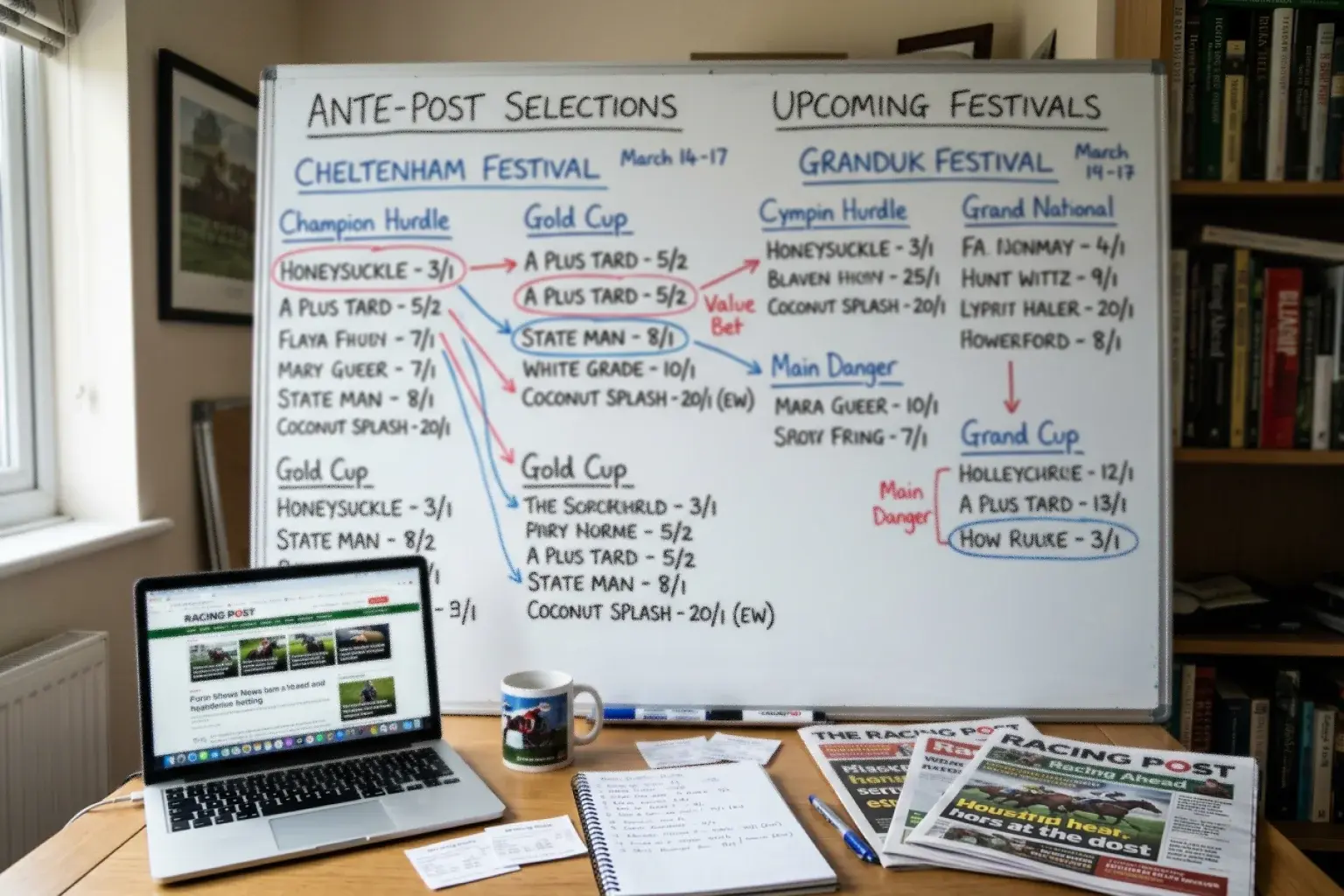

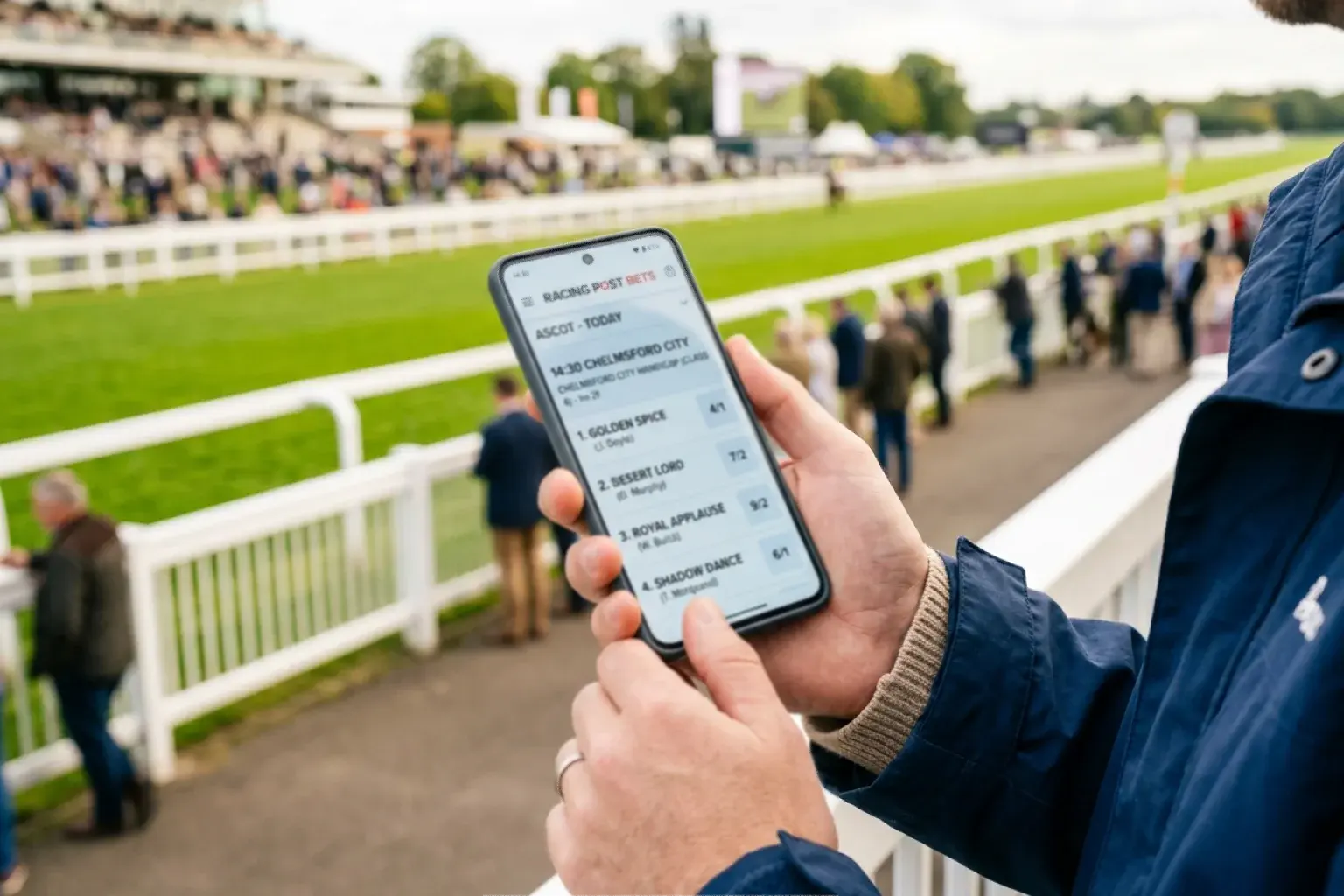
Mobile Betting Performance: Market Depth and Fast Payouts
I lost a bet at Cheltenham in 2023 not because my selection was wrong, but because the app froze for twelve seconds while I tried to place it. By the time the interface recovered, the price had shortened from 7/1 to 9/2 and the value had evaporated. That experience taught me something the odds comparison sites never mention: the platform you bet through is itself a variable in your profitability.
With over 120 licensed operators competing for UK punters, the app store is flooded with horse racing betting options. App store ratings help with the obvious disasters — apps that crash on launch or drain your battery — but they tell you nothing about the things that matter to a horse racing bettor: market depth, speed of bet placement, racecard quality, and how the app performs under the stress of a busy Saturday card when thousands of users are simultaneously hammering the same markets.
Platform development across the industry absorbs roughly 150 million dollars annually, and the quality gap between the best and worst racing apps has narrowed considerably. But “narrowed” isn’t “closed.” The differences that remain are precisely the ones that affect your bottom line.
Racecard Integration and Form Data
The single most underrated feature in any racing app is the quality of its built-in racecard. Some apps treat the racecard as an afterthought — a list of horse names with odds attached. Others provide deep-form summaries, trainer-jockey statistics, course form, going preferences, and recent performance all within the betting interface itself.
Why does this matter? Because switching between a form study app and a betting app costs you time and attention. In ante-post markets, that’s merely inconvenient. On a busy race day with 15 minutes between races, it’s a genuine handicap. I want to assess form, check market movements, and place a bet within a single interface without toggling between three different apps. The operators that understand this design their racing experience accordingly.
Look specifically for apps that display recent form with expandable race details, jockey booking information that updates in real time, official going reports integrated into the racecard, and draw statistics for flat racing. If you have to leave the app to find any of this information, the app is working against you — even if the odds it displays are marginally better than a competitor’s.
Bet Placement Speed and Market Depth
There’s a moment at 1:29pm on a Saturday, one minute before a feature race, when you know your selection and the price is right. You tap the odds, confirm the stake, and hit place. What happens in the next 800 milliseconds determines whether you get your price or whether you’re offered a different one.
Bet acceptance speed varies dramatically between operators. Some apps use instant confirmation — your bet is placed at the displayed price the moment you confirm. Others route your bet through a trading desk that evaluates it before acceptance, which introduces a delay during which the price can move. For recreational stakes on standard races, this rarely matters. For larger bets or volatile markets close to the off, it’s the difference between getting the value you identified and getting a worse price.
Market depth is the related issue. A well-designed racing app shows you win and each-way markets, forecast and tricast options, place-only betting, and any special markets (top jockey, distance between first and second) within the same race view. Poorly designed apps bury these markets behind multiple navigation layers, which means you either miss them entirely or waste precious minutes finding them. The breadth of available markets should be one tap away from the main racecard, not buried in sub-menus.
Cash Out, Notifications, and the Features That Actually Help
Every operator markets their feature list like it’s revolutionary. Most of it is noise. After years of using multiple apps concurrently, the features that genuinely improve my racing experience are surprisingly few.
Push notifications for non-runner replacements and market suspensions are essential. If your ante-post selection is withdrawn from a race at 8am on race day, you need to know before the market reopens, not when you check the app at lunchtime. The best apps notify you within minutes of any change to a race you’ve bet on or expressed interest in.
Cash out on horse racing is heavily promoted but frequently misunderstood. The cash-out value offered by the operator always includes a margin — you’re selling your bet back at worse than the true mathematical value. On accumulators, where the margin compounds across legs, the cash-out price can be significantly below fair value. I use cash out rarely and only in specific situations: when new information (a going change, a horse behaving badly in the parade ring) fundamentally changes my assessment of the bet. Routine cash-out use for profit-taking erodes your edge over time.
One feature worth seeking out: price history graphs within the app. Seeing how a horse’s odds have moved over the previous hours or days provides market intelligence that static odds cannot. A horse drifting from 4/1 to 7/1 tells a different story from one that’s been steady at 7/1 all morning. Some apps display this natively; most don’t.
Performance Under Pressure and the Festival Test
The real test of any horse racing app isn’t a Tuesday afternoon at Southwell. It’s the first race on Gold Cup day at Cheltenham, when the projected festival turnover hits 450 million pounds through William Hill alone and every punter in Britain is trying to place a bet simultaneously.
App performance under peak load is almost impossible to evaluate before the moment you need it. What I can tell you from experience is that the operators with the largest platform engineering teams tend to handle peak loads better, for the obvious reason that they’ve invested more heavily in server infrastructure and load balancing. This is one area where brand recognition correlates loosely with product reliability — not because big operators are inherently better, but because they’ve faced and (mostly) solved these scaling challenges through years of festival-weekend crashes and the resulting customer complaints.
A practical approach: download and test three or four apps well before the major festivals. Place small bets on midweek cards. Test the racecard navigation, the bet placement flow, the notification system. By the time Cheltenham rolls around, you’ll know which app handles your workflow best — and you won’t be discovering interface quirks while trying to back the Champion Hurdle favourite at a rapidly shortening price.
Battery consumption is the final practical consideration. Some apps are aggressive with background processes and GPS polling, draining your phone noticeably over a four-hour race day. If you’re at the track relying on your phone for both streaming and betting, an app that halves your battery life by 2pm is a problem no amount of competitive odds can compensate for.