
Grand National Value: Analyzing Markets in 40-Runner Fields
My dad placed my first Grand National bet for me when I was twelve — a pound each way on something that fell at the fourth fence. That moment hooked me, and it hooks roughly 12 million people in the UK every single year. About 30% of them are having their first or only bet of the season, which tells you everything about this race’s pull beyond the racing world.
The Grand National generates over 200 million pounds in betting turnover and reaches an estimated 600 million viewers across six continents. No other horse race on earth concentrates that much casual money into a single 10-minute window. And here’s the detail that shapes how the market works: approximately 82% of Grand National bets are five pounds or less. This isn’t a race dominated by sharp money — it’s driven by sentiment, stable names, jockey fame, and colour of silks. That wall of small emotional bets creates pricing patterns that look nothing like a standard Saturday handicap chase.
For those of us who study form, this recreational flood is actually an advantage. When millions of pounds flow toward popular names regardless of their handicap credentials, less fashionable runners at the right weight with the right profile drift to prices that overstate their true chances of placing or winning.
Key Selection Factors: Weight, Stamina, and Course Form
I’ve analysed every Grand National winner since 2000, and three variables predict roughly 70% of them: weight carried, proven stamina beyond three miles, and previous experience over Aintree’s unique fences. Everything else — trainer quotes, jockey bookings, morning paddock inspections — is noise unless it connects back to one of those three.
Weight is the dominant factor. The handicapper’s job is to give every horse in the field a theoretical equal chance, but in practice, the extreme demands of four miles and 30 fences tilt the advantage toward horses carrying between 10st 5lb and 11st 2lb. Since 2010, the sweet spot has been the mid-range of the weights — horses rated high enough to handle the competition but not burdened with top weight over the marathon trip. Carrying 11st 10lb over those fences for four miles is a fundamentally different test than carrying 10st 7lb, and the stamina tax of extra weight compounds over the final half-mile when tired horses make jumping errors.
Stamina is non-negotiable. Any horse that hasn’t won or placed over at least three miles two furlongs in a competitive chase is taking a leap of faith at four miles plus. I look for proven form at three miles or further, ideally on ground no better than good, because the National is almost always run on ground with some give. The Becher Chase over the National fences in December is the single best trial, followed by the Welsh and Scottish Nationals.
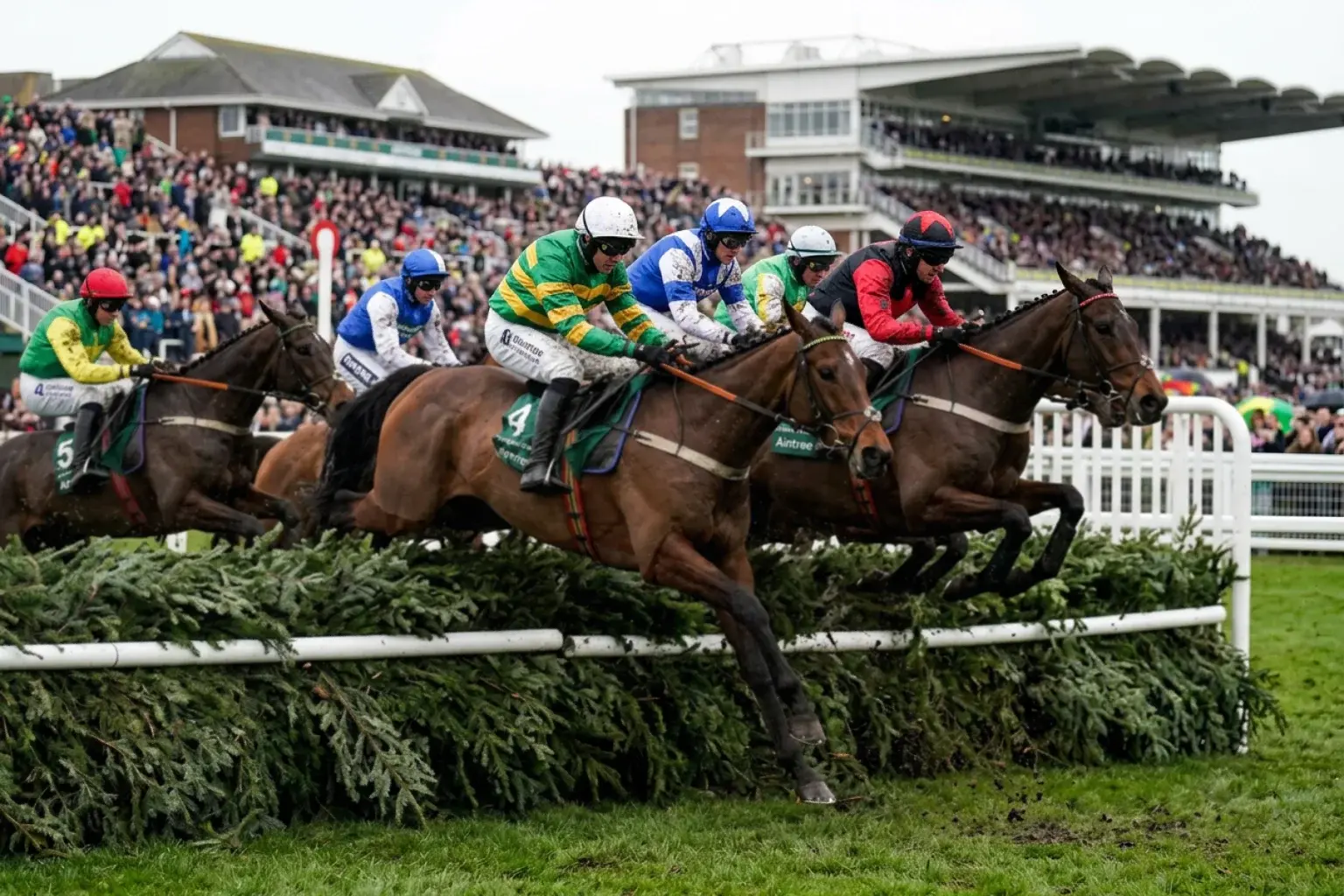
Course experience matters more here than at any other track in Britain. The Aintree fences are unique — they’re spruce-covered, they’re not like anything else a horse encounters in its career, and the drop on the landing side of several fences (particularly Becher’s Brook) catches out inexperienced jumpers every year. Horses with one or more previous runs over the National course have a measurable advantage in completion rate and placing frequency.
Each-Way Value in a 40-Runner Handicap
The Grand National is the premier each-way betting event in the UK calendar, and for good reason. With a maximum field of 40 runners, standard each-way terms typically pay out on the first four places at 1/4 or 1/5 the odds, and many bookmakers extend to five, six, or even eight places during promotional periods.
Here’s where the maths gets interesting. In a 40-runner handicap where the favourite is typically priced between 8/1 and 15/1, the each-way place portion carries genuine standalone value. A horse at 25/1 with place terms of 1/4 odds for six places gives you a place bet at effective odds of 6.25/1 — and in a field where any of 15-20 horses could realistically fill those six places, that price often underestimates the real probability.
I focus my Grand National each-way selections on horses priced between 16/1 and 33/1 that fit the weight and stamina profile. At those prices, the place portion does the heavy lifting — you’re not relying on your selection winning the race, just finishing in the frame. Over the past nine Grand Nationals, I’ve found that consistently backing two or three each-way selections in that price range returns better than loading a single bet onto a shorter-priced contender.
The trap to avoid: backing a horse each way at 8/1 or shorter in a 40-runner race. The win portion requires the horse to beat 39 rivals over the most demanding course in Britain, and the place portion at 2/1 effective odds barely compensates for the risk. Each-way betting in the National only works at double-digit prices where the place value is genuinely attractive.
Grand National Market Timing: Ante-Post to Morning of the Race
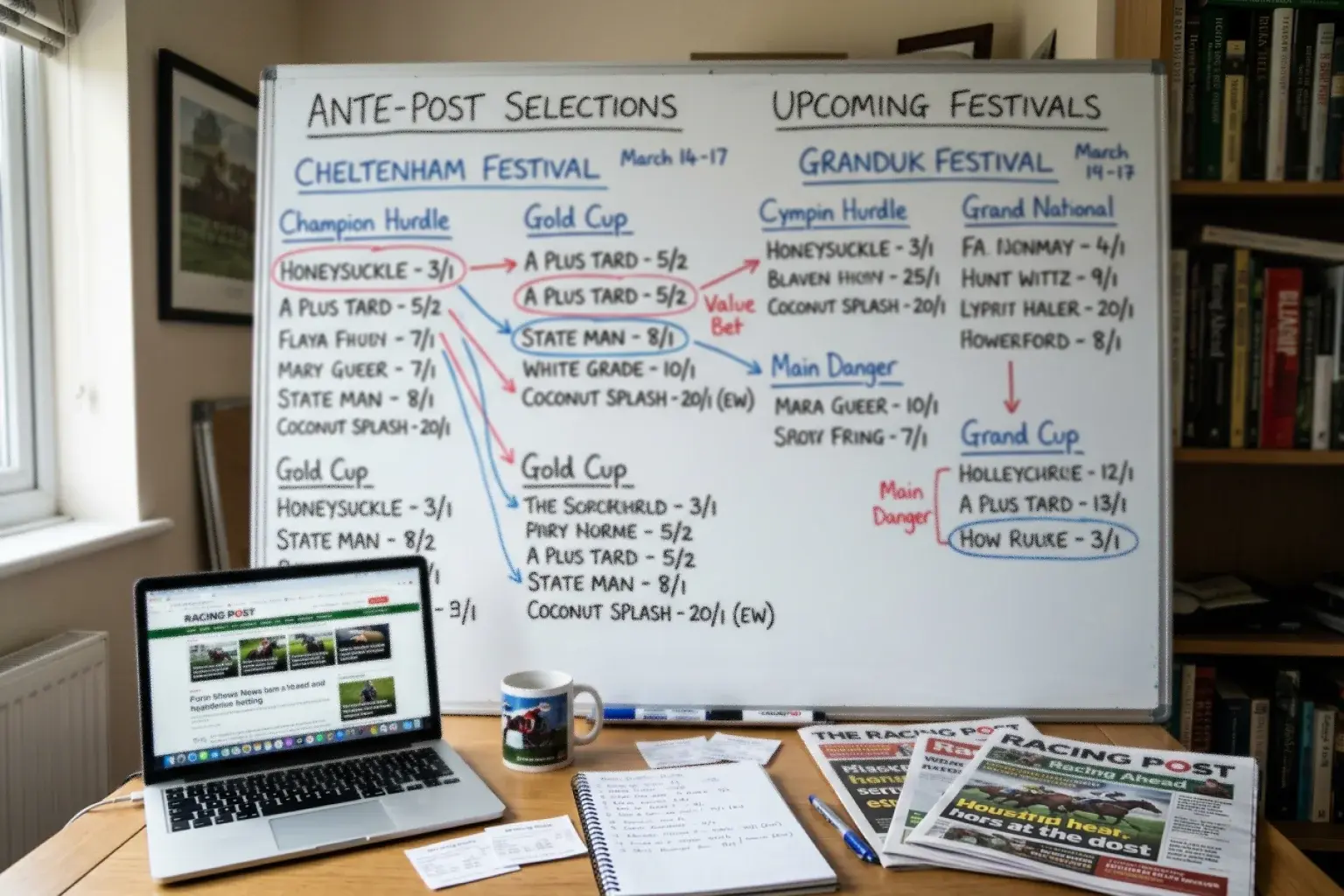
Grand National ante-post markets open as early as the previous April, but meaningful pricing begins after the Becher Chase in December and sharpens considerably after the weights are published in mid-February. The final declaration stage — five days before the race — is the last major inflection point before race-day trading takes over.
I’ve found the best ante-post value window sits between weights publication and the final declaration stage. Once the weights are known, you can assess each horse’s task objectively, and the market hasn’t yet absorbed the flurry of media previews, newspaper tips, and public money that arrive in Grand National week. After final declarations, the casual betting wave begins and prices on popular horses shorten dramatically while less fashionable contenders drift — sometimes beyond their true value.
On the morning of the race, the market is at its most liquid and most efficient for the top of the market, but still relatively loose at the bottom end. If you’ve done your form work and identified a 25/1 shot that fits your criteria, the morning price often represents fair value or slight overs because the weight of recreational money is pushing other horses shorter. The Grand National is one of the few races where morning-of-race odds at the longer end can actually be better value than the ante-post price weeks earlier, simply because the casual money distorts the market shape.