
Spring Festivals: Securing Value During Major Jumps Meetings
I used to think of the spring festival season as a collection of separate meetings. Cheltenham one week, Aintree the next, Punchestown a fortnight later. Treating them as isolated events cost me money for years, because the truth is they form a single, interconnected narrative that rewards punters who track the storylines from one meeting to the next and punishes those who start fresh each time.
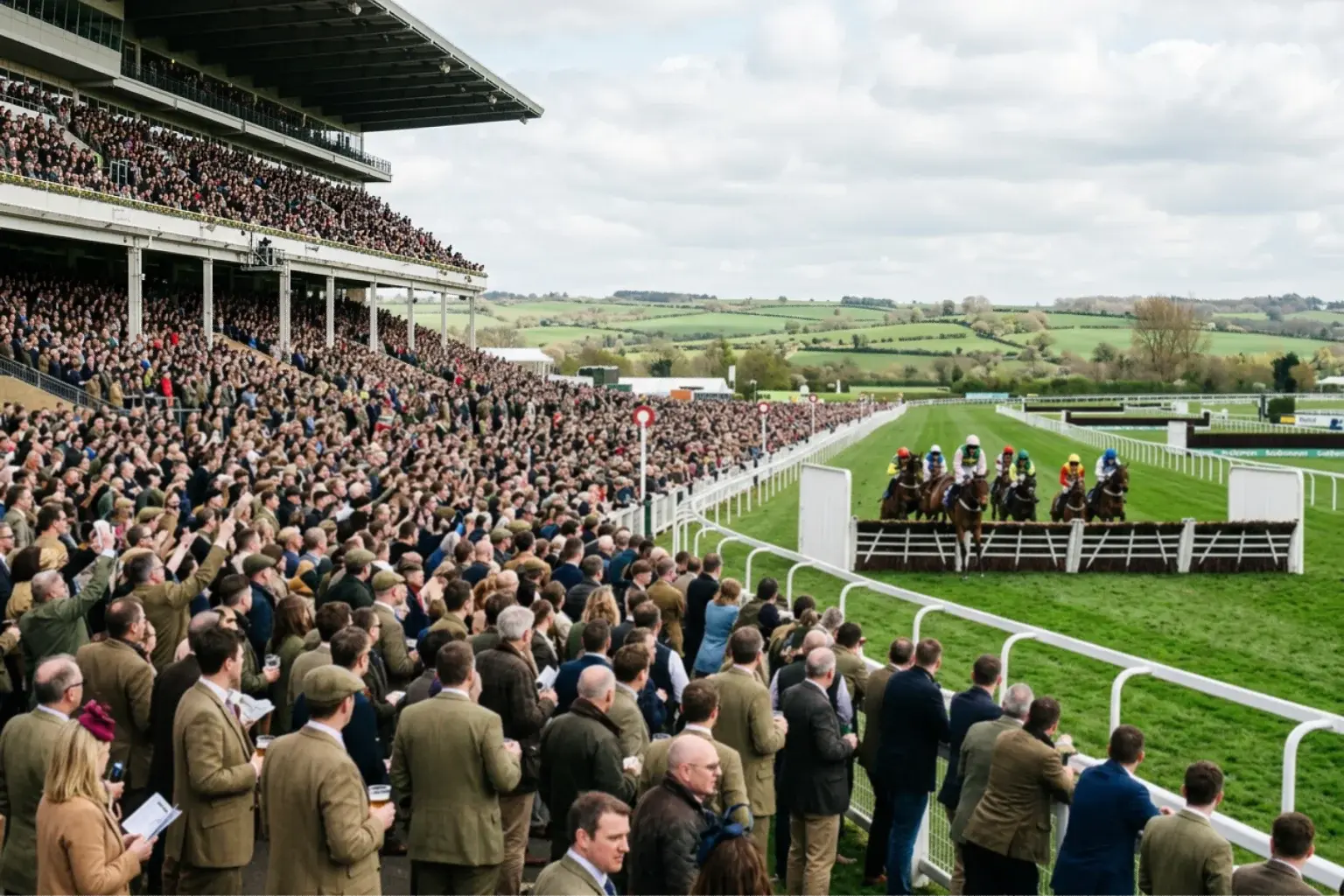
The period from early March through late April concentrates more high-quality jump racing betting action into ten weeks than the remaining ten months combined. William Hill projects roughly 450 million pounds wagered across the four days of Cheltenham Festival alone. The Grand National generates more than 200 million pounds in turnover on a single race. Add the Aintree Festival surrounding it, the Scottish Grand National, and Punchestown to close the season, and you’re looking at a stretch where over a billion pounds flows through the National Hunt betting markets.
Understanding the calendar — not just the dates but the relationships between meetings, the way form carries across them, and the strategic implications for your bankroll — is the foundation of profitable spring betting.
Cheltenham Festival: The Season’s Centre of Gravity
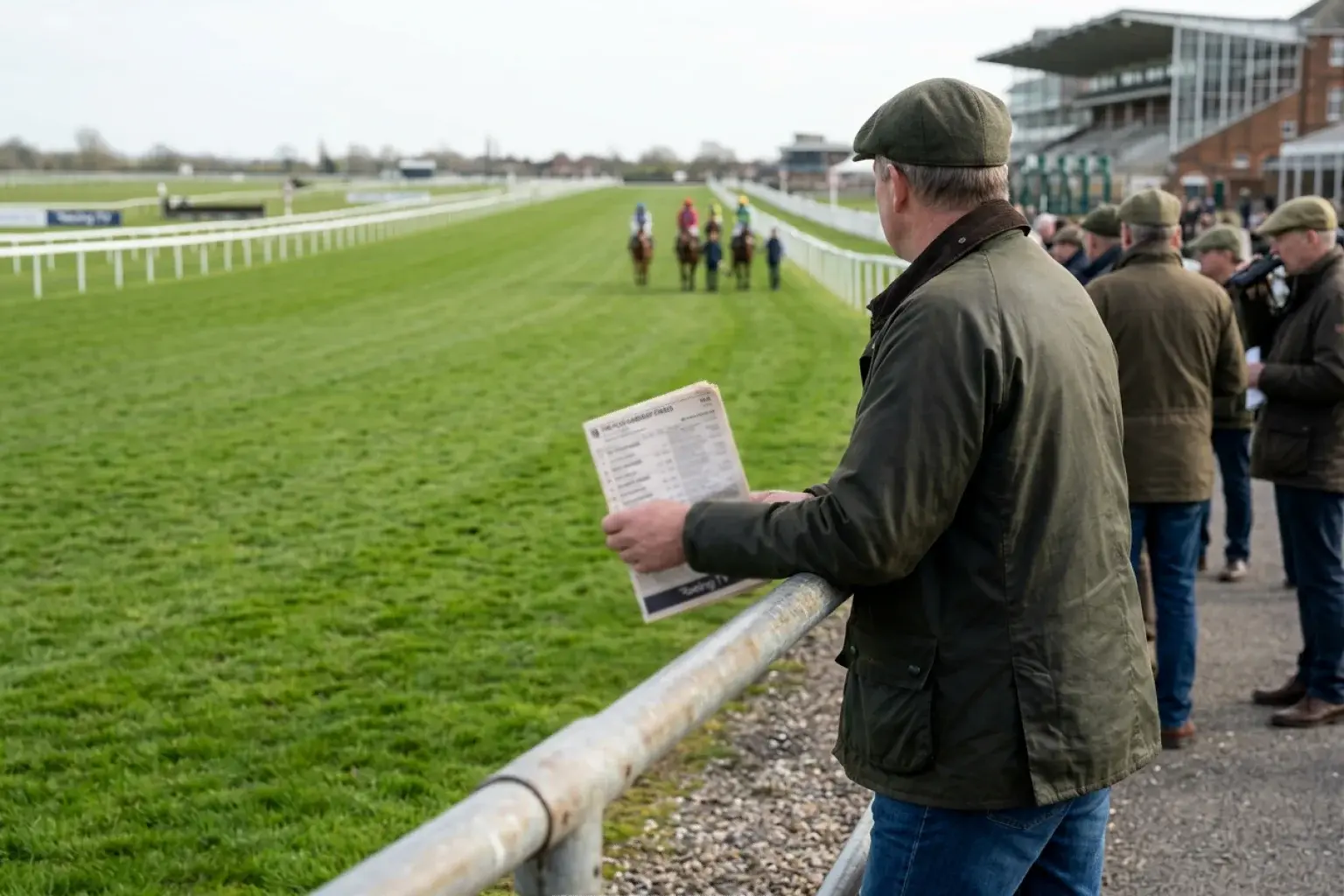
Cheltenham is the reference point around which everything else orbits. The four days in mid-March set the benchmark for the quality of every other meeting. Horses that win at Cheltenham are reassessed by the market; horses that disappoint are discounted; horses that skip Cheltenham entirely become intriguing unknowns when they turn up elsewhere.
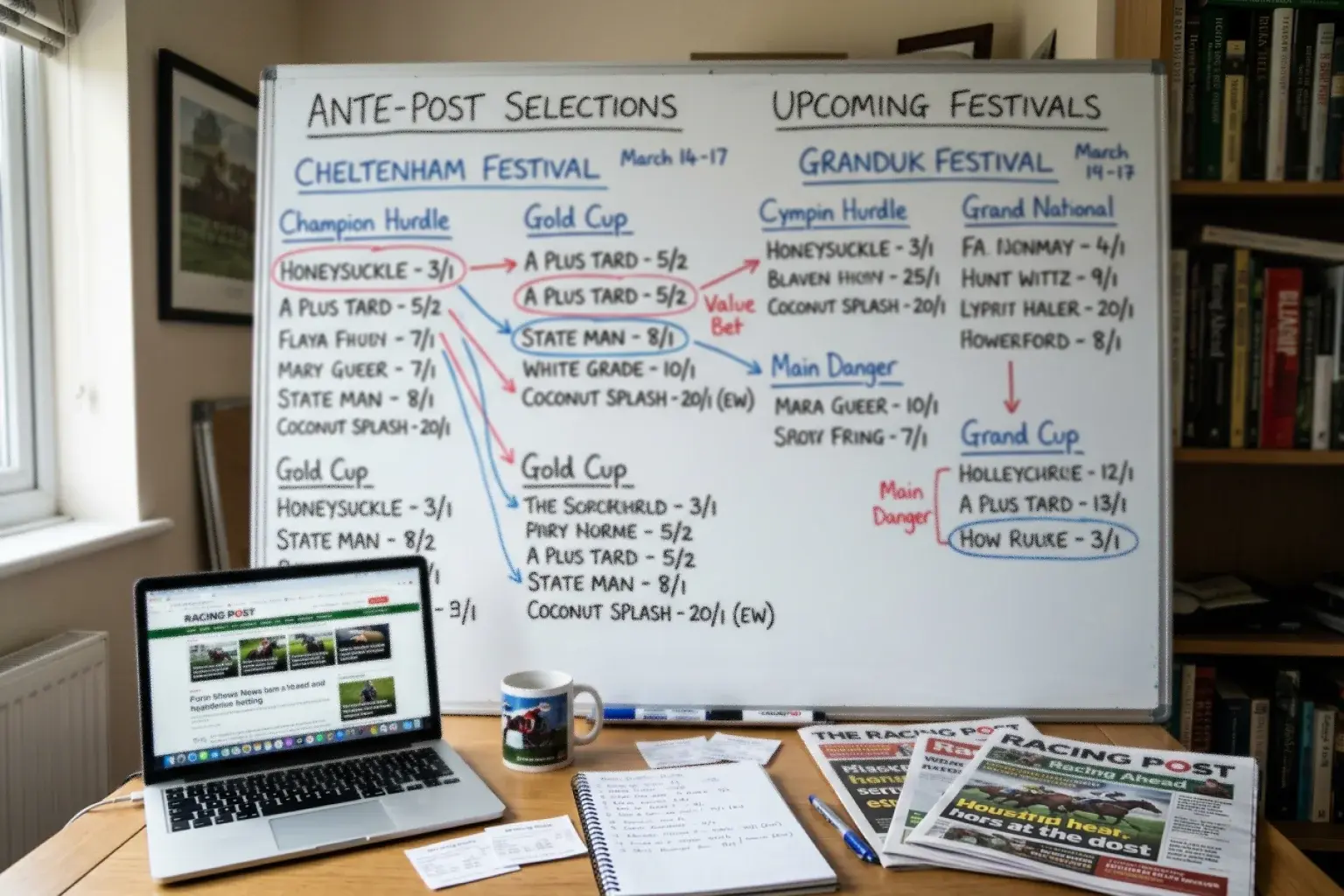
From a betting perspective, Cheltenham demands the heaviest pre-meeting preparation. The ante-post markets are the deepest in jump racing, and the price compression between the November markets and the week of the festival is dramatic. I dedicate four to six hours per day of form study in the week before Cheltenham — more than I’d give to any other meeting — because the depth of competitive fields makes every percentage point of analysis valuable.
The key for calendar planning is this: Cheltenham results reshape the markets for everything that follows. A horse that finishes a close second in the Champion Hurdle will be priced differently for any spring target it’s given afterwards. A Gold Cup flop might be written off by the market but could be revitalised by a switch to left-handed Aintree three weeks later. The spring calendar rewards punters who watch Cheltenham with one eye on the form and the other on where beaten horses might reappear.
Aintree Festival and the Grand National: Different Demands, Different Value
Aintree follows Cheltenham by roughly three weeks, and the natural assumption is that Cheltenham form translates directly. Sometimes it does. Often it doesn’t, and that gap is where Aintree value lives.
The two courses could hardly be more different. Cheltenham is right-handed, undulating, and rides heavy in wet years. Aintree is left-handed, relatively flat, and typically rides faster. Horses that handled Cheltenham’s hill and testing ground might struggle with Aintree’s pace and the need to jump fluently at speed. Conversely, horses that looked outpaced at Cheltenham can find Aintree’s tempo more forgiving, particularly over the Mildmay course fences.
The Grand National itself is a betting event unlike any other. Around 12 million people wager on the race, many of them once-a-year punters selecting horses by name, colour, or jockey recognition rather than form analysis. That influx of uninformed money distorts the market in ways that create genuine opportunities. Fancied runners attract disproportionate support, pushing their prices shorter than the form justifies, while overlooked runners at 25/1 and beyond can offer each-way value that doesn’t exist in any other race during the year.
My Grand National approach is deliberately contrarian: I avoid the market leaders and focus on horses priced 16/1 to 33/1 with specific profile criteria — proven stamina over three miles-plus, experience of fences (not hurdles), and a handicap mark in the 140-150 range. That profile has produced the majority of recent winners, yet the weight of casual money still pushes shorter-priced runners into undeservedly prominent market positions.
Scottish Grand National and the Late-Season Window
The Scottish Grand National at Ayr, typically run two weeks after Aintree, is the spring calendar’s best-kept betting secret. Media attention has largely moved on by this point — the casual punters who flooded the Grand National market are back to their normal routines, the headline writers have moved to flat racing previews, and the market for the Scottish National forms in relative quiet.
That quiet translates to pricing inefficiency. The fields are competitive (20-30 runners in a four-mile handicap chase), but the depth of form analysis available in the market is thinner than for Cheltenham or Aintree equivalents. I’ve found consistent value in horses that ran respectably at the Cheltenham Festival or Aintree without winning — runners that the market has moved on from but whose form represents genuine quality at a lower level of media scrutiny.
The ground is a crucial factor at Ayr. The west of Scotland in April can deliver anything from good to heavy, and the four-mile distance magnifies the effect of testing ground. Horses with proven stamina on soft-or-worse surfaces have a demonstrable edge in the Scottish National’s recent history, and this is a factor that the thinner market often underweights.
Punchestown: Where the Irish Season Closes and Value Hides
Punchestown’s five-day festival in late April closes the jumps season, and it’s the meeting most British punters ignore entirely. That’s a mistake. Punchestown regularly produces rematches from Cheltenham, often with reversed form, and the market’s British-centric bias means Irish form expertise is rewarded disproportionately.
A horse that was beaten at Cheltenham might be primed for Punchestown by a trainer who deliberately used the Festival as a prep run. Willie Mullins has turned this into an art form — producing horses at Punchestown that are sharper, fitter, and better suited to the left-handed, flatter track than they were at Cheltenham six weeks earlier. If you’re following the spring narrative from meeting to meeting, these patterns become visible. If you’re dipping in and out, they look like random reversals of form.
The betting markets for Punchestown are typically thinner than for the British festivals, which means prices can move sharply on relatively small volumes. Getting your bets on early — the morning of the race or the evening before — is more important at Punchestown than at any other spring meeting. By post time, the prices on well-fancied runners have often contracted to the point where the value has evaporated.
Managing Your Bankroll Across the Full Spring Sequence
The biggest structural mistake I see during the spring is punters who blow their budget at Cheltenham and have nothing left for Aintree, the Scottish National, or Punchestown. The spring isn’t one meeting — it’s four or five, spread across ten weeks, and the bankroll needs to stretch across all of them.
I allocate my spring festival budget roughly as follows: 40% to Cheltenham, 30% to Aintree (including the Grand National), 15% to the Scottish National, and 15% to Punchestown. The heavy Cheltenham allocation reflects the depth of markets and the ante-post opportunities that develop months in advance. The Aintree split covers both the Mildmay-course races (where Cheltenham form translates most reliably) and the Grand National (where I take two or three targeted each-way positions). The Scottish National and Punchestown get smaller allocations but often deliver the highest value per pound staked, because the market inefficiency is greater.
Within each meeting, the daily-portion system applies: divide the meeting’s allocation by the number of days, cap individual bets, and stick to the plan regardless of how the early days have gone. A winning Cheltenham doesn’t inflate the Aintree budget. A losing Grand National doesn’t borrow from Punchestown. Keeping the compartments sealed is what makes the full spring sequence sustainable.