
In-Play Betting: Utilizing Live Streams for Better Payouts
I placed blind bets for years before live streaming became standard. Numbers on a screen, results checked after the fact, the same emotional distance you’d get from reading yesterday’s newspaper. Then I started actually watching the races I was betting on, and everything shifted — not because of some mystical “feel for the action,” but because visual information fills gaps that form data cannot.
A horse’s demeanour in the parade ring. How it travels through the first two furlongs. Whether the jockey is already pushing at halfway or sitting motionless with a double handful. None of this appears in a racecard, yet all of it directly affects the outcome you’ve staked money on. Live streaming turned horse racing from an abstract numbers exercise into something I could read in real time — and that reading, over hundreds of races, made me a measurably better punter.
The UK’s betting industry pumps roughly 150 million dollars annually into platform development, and a significant chunk of that investment goes into streaming infrastructure. Operators understand that a punter watching a race is a punter engaged, and an engaged punter bets more frequently, on more markets, with higher average stakes. That’s the commercial logic. The punter’s logic should be different: watching isn’t about betting more, it’s about betting better.
What You Need to Access Live Racing Streams
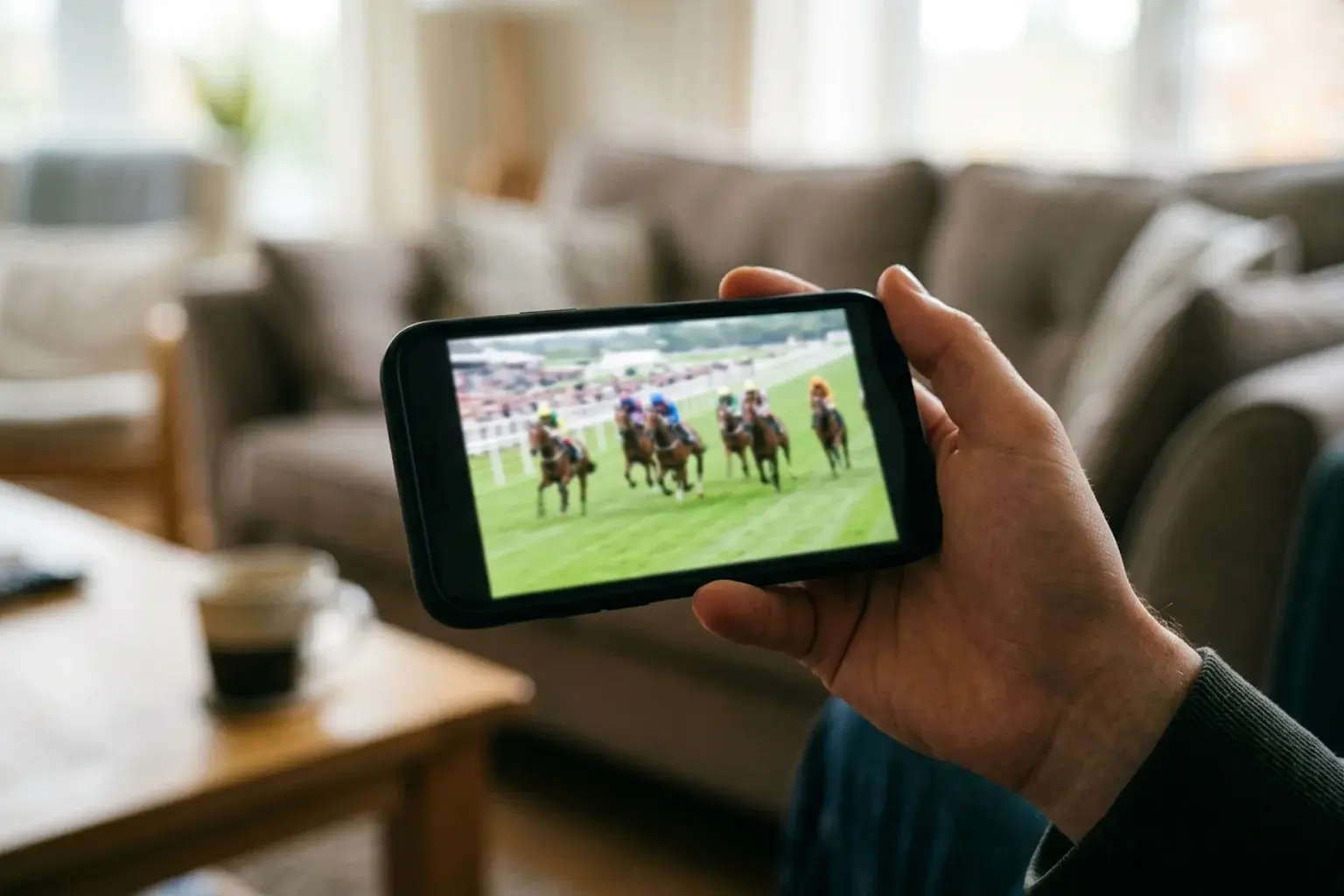
Most UK-licensed bookmakers offer live streaming of British and Irish horse racing through their websites and apps. The standard requirement is simple: a funded account. Some operators set the threshold at having placed a bet within the last 24 hours; others only require a positive balance of any amount. A penny will do on some platforms.
Coverage varies more than most punters realise. The major operators typically stream all UK and Irish fixtures through deals with Racing TV and At The Races. Smaller operators might cover only selected meetings or carry a delay of several seconds compared to the television broadcast. That delay matters enormously if you’re considering in-play betting — a three-second lag means the market has already moved by the time you see the action.
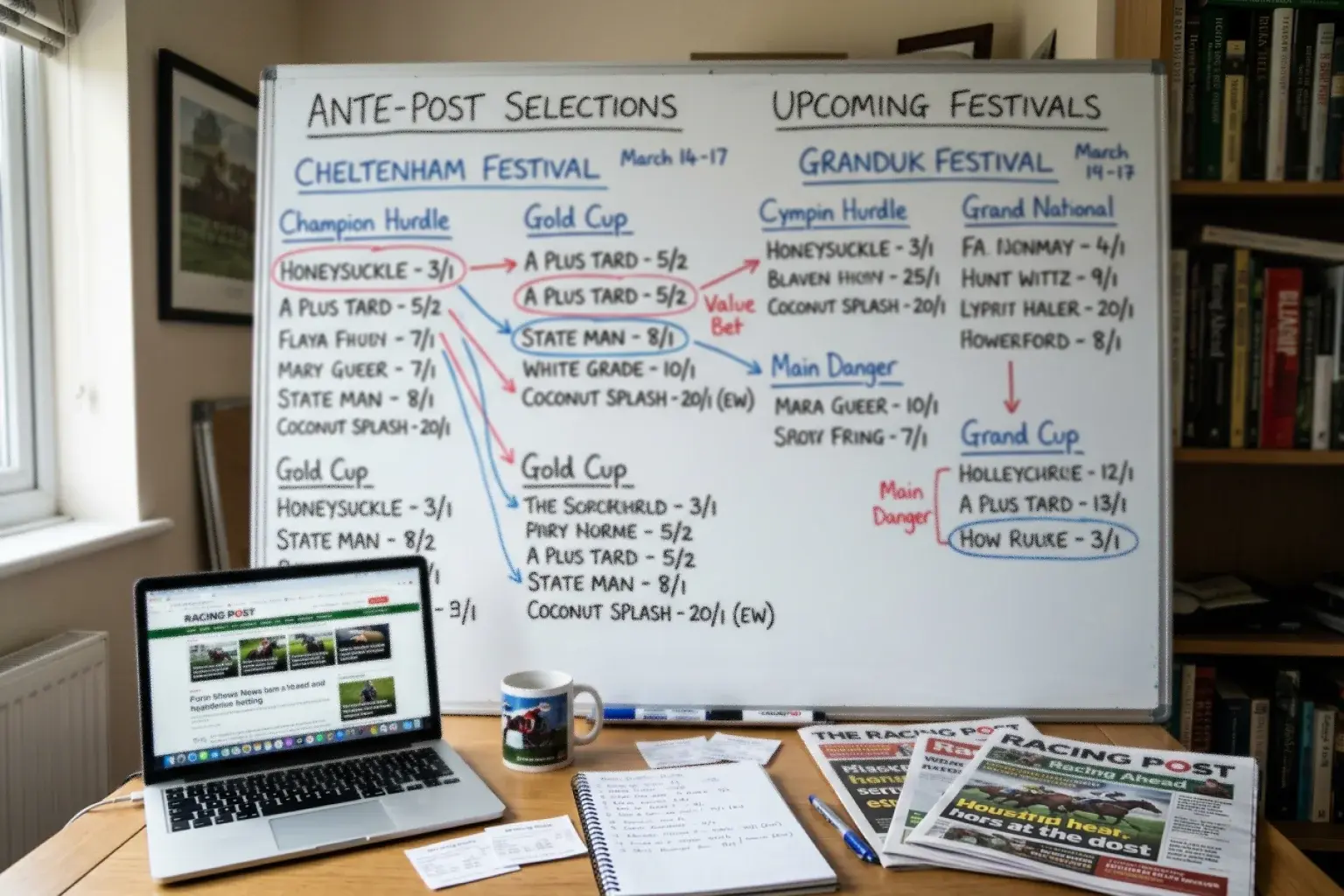
Stream quality is another variable. On a strong Wi-Fi connection, most platforms deliver smooth HD video. Switch to 4G at a busy racecourse and you’ll get buffering, frame drops, and the peculiar agony of watching your horse cross the line in a series of frozen stills. I’ve learned to download the racing card and form data before leaving home, so I’m not reliant on streaming for information I should already have. The stream itself is for observation, not research.
Using Pre-Race Visuals to Sharpen Selections
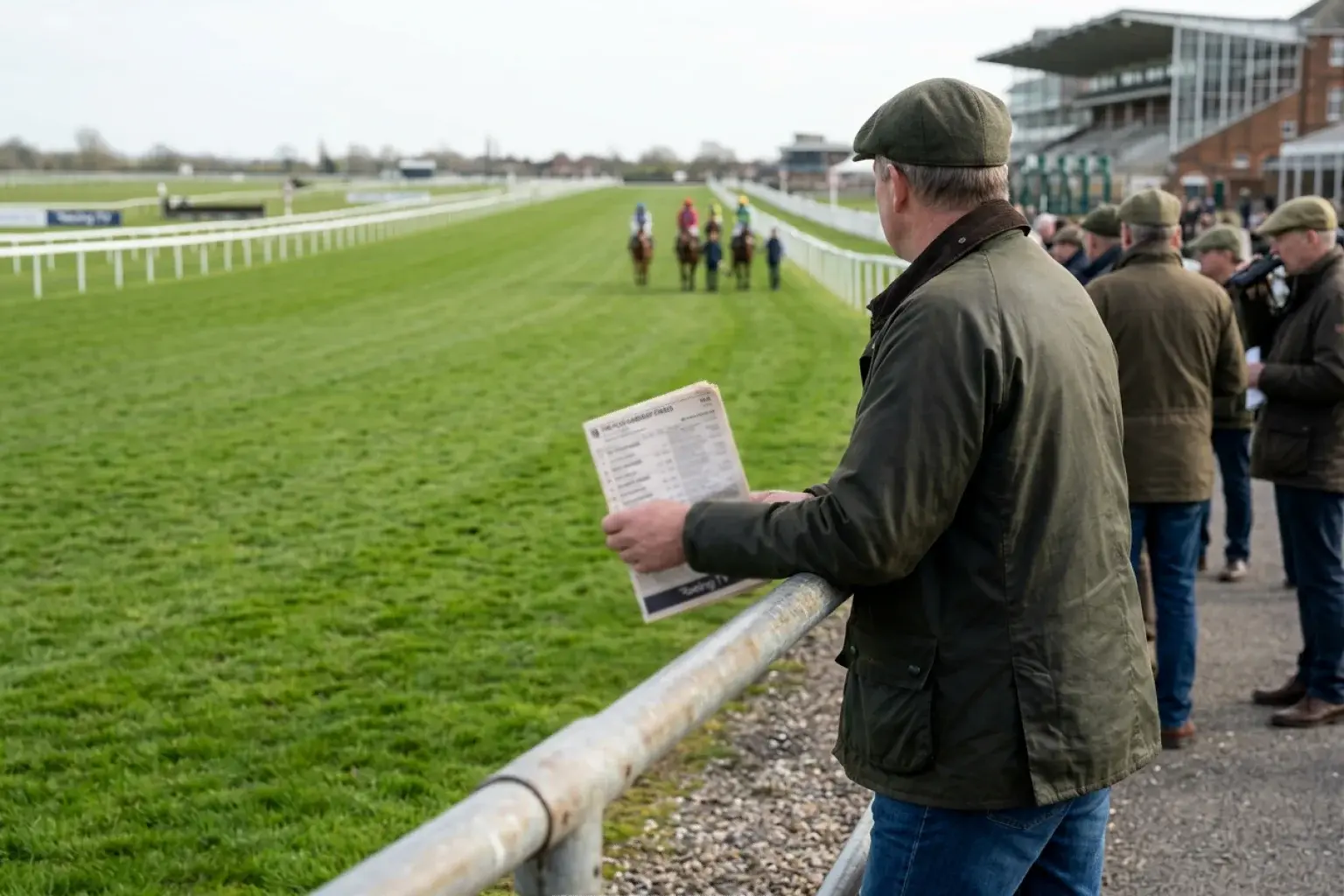
The ten minutes before a race contain more useful information than most punters extract from an hour of form study. I’m talking about the parade ring.
A horse that’s sweating heavily behind the ears and between the hind legs is burning energy before the race starts. A horse walking calmly with a shiny coat and alert eyes is conserving everything for the contest ahead. Neither observation is infallible — some brilliant horses are notorious sweaters — but across a large sample, pre-race demeanour correlates with performance more strongly than most punters credit.
Watch how the horse moves at the walk. Short, choppy strides can indicate discomfort. A free, flowing walk with the hind feet overstepping the front hoofprints suggests a horse moving well within itself. Trainers spend their professional lives reading these signals. You have access to the same visual feed through your phone. The difference is that trainers know what they’re looking at, and most of us are still learning. Treat every parade ring viewing as a lesson. Over time, patterns emerge that numbers alone can’t capture.
The jockey’s body language matters too. A confident jockey on a well-fancied horse typically looks relaxed and focused. If they’re having an animated conversation with the trainer and glancing repeatedly at the horse, something’s being discussed that you’d want to know about. You can’t hear the conversation, but the body language is broadcast in high definition.
Streaming, In-Play Markets, and the Speed Problem
Here’s where streaming gets genuinely dangerous for your bankroll, and I say that from hard-won experience. In-play betting on horse racing — placing bets after the race has started — relies on you processing visual information faster than the market can adjust. The problem is that you’re competing against professionals with lower-latency feeds and algorithmic models that process race positions in milliseconds.
The average recreational punter watching a live stream is operating on a 2-5 second delay behind real-time. The exchange traders and sophisticated in-play operators work on sub-second feeds. When you see a horse take up a prominent position at the two-furlong pole and think “I should back that,” the price has already collapsed. By the time your bet is placed, you’re buying at a price that reflects information the market absorbed seconds before you saw it.
I don’t bet in-play on racing through streaming feeds for precisely this reason. The informational disadvantage is structural and cannot be overcome by faster thumbs or a better broadband connection. What I do use streaming for is learning — watching how races develop, how different pace scenarios affect results, how horses handle different ground conditions. That knowledge pays off in my pre-race betting, where the playing field is far more level.
If you’re determined to bet in-play, the only honest advice is to focus on situations where the market is likely to overreact: a well-backed favourite that gets slightly hampered and drifts disproportionately, or a known front-runner that takes a lead and sees its price shorten too aggressively. These require judgement calls that algorithms handle imperfectly, and that’s your narrow window of opportunity.
Building a Watching Routine That Improves Your Betting
Watching every race is neither practical nor useful. I’m selective, and that selectivity has been the biggest improvement in how streaming actually affects my bottom line.
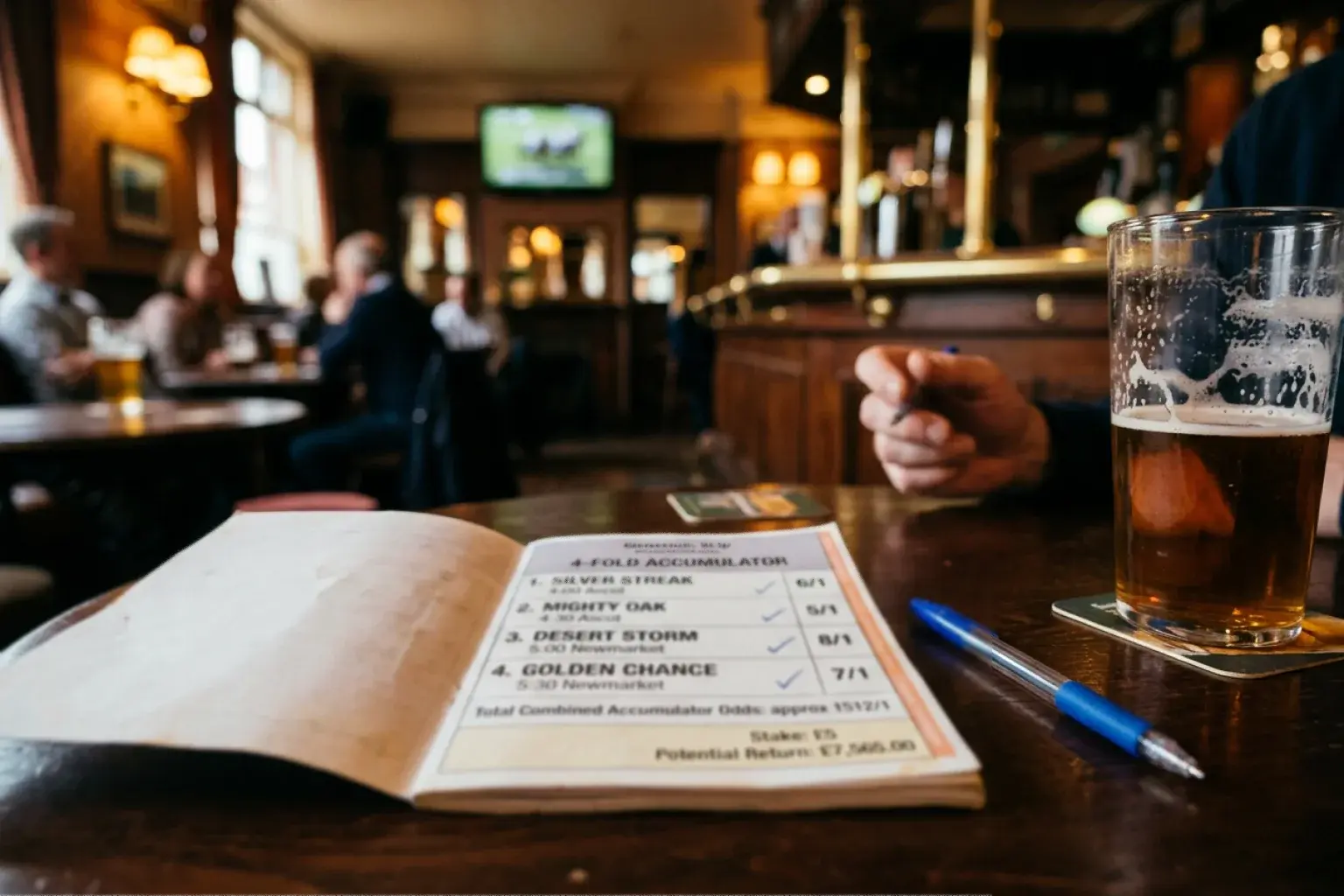
For a Saturday card at a major track, I’ll watch the parade ring coverage for races I’ve identified pre-race interest in. I won’t bet every race — usually three or four across an afternoon. For those races, the streaming adds genuine value: parade ring, going down to post, and the race itself. For everything else, I check results later. The temptation to bet on a race simply because you’re watching it is the single largest leak that live streaming introduces to an otherwise disciplined approach.
Keep notes while you watch. Not elaborate essays — just shorthand observations. “Horse X sweating heavily, pulled hard going to post” or “Horse Y moved beautifully in the ring, settled well early.” Over a season, those notes become a personal database of visual observations that cross-reference with results. I’ve found patterns in my own notes that no public form database captures: certain trainers whose horses consistently look better in the flesh than on paper, certain courses where the parade ring demeanour is more predictive than others.
Streaming should be a tool that sits alongside your broader betting strategy, not a replacement for it. The punters who lose money through streaming are those who let the visual excitement override the analytical work they did before the first race. Watch with purpose, not just with interest.