
Odds Discrepancies: Amplifying Returns Across Bookmakers
Last season I kept a spreadsheet of every horse racing bet I placed, logging the price I took and the best available price at the time of placement. Over 340 bets, the average difference was 0.3 points in decimal odds. That sounds trivial — until you run the numbers. Across those 340 bets at level stakes of 10 pounds, that 0.3-point gap translated to 127 pounds in lost value over the season. Not from bad selections. Just from not shopping for the best price.
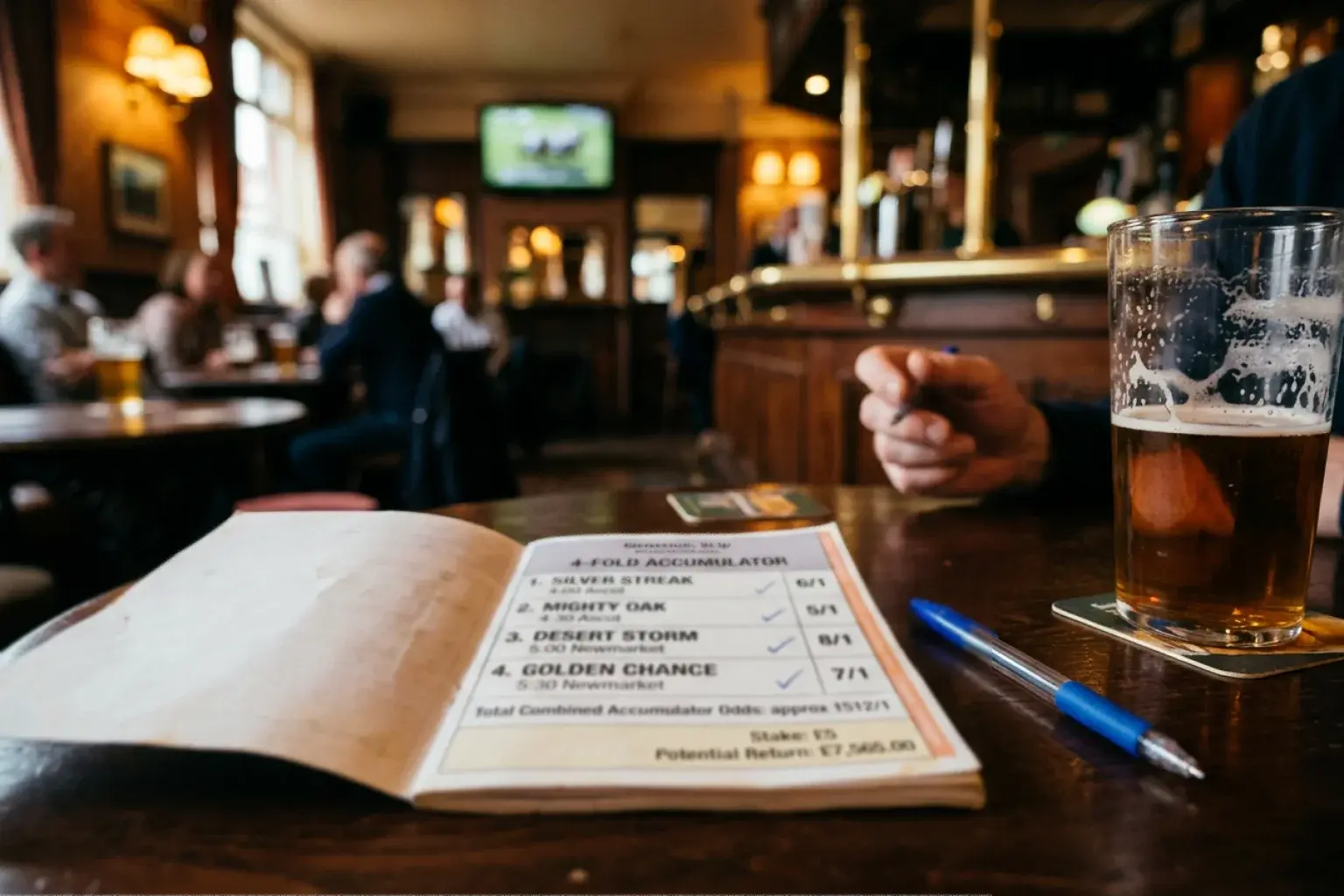
The UK horse racing betting market is served by over 120 licensed operators, each setting their own prices based on their own risk models and liabilities. With that many operators vying for market share — William Hill alone captured 37.83% of PPC clicks for sports betting in the UK as of February 2026, with bet365 at 16.2% — the range of prices on any given horse at any given time can vary significantly. A horse might be 7/1 with one bookmaker and 13/2 with another. Same horse, same race, different return on your winning bet.
This isn’t a marginal concern for serious punters. Over a full season of regular betting, taking the best available price versus accepting whatever your primary account shows is the difference between a losing record and a break-even one — or between break-even and profit.
Tools and Methods for Comparing Horse Racing Odds
When I started taking odds comparison seriously about six years ago, it meant having three browser tabs open and manually scanning prices before each bet. The tools available now are considerably better, though none of them are perfect.
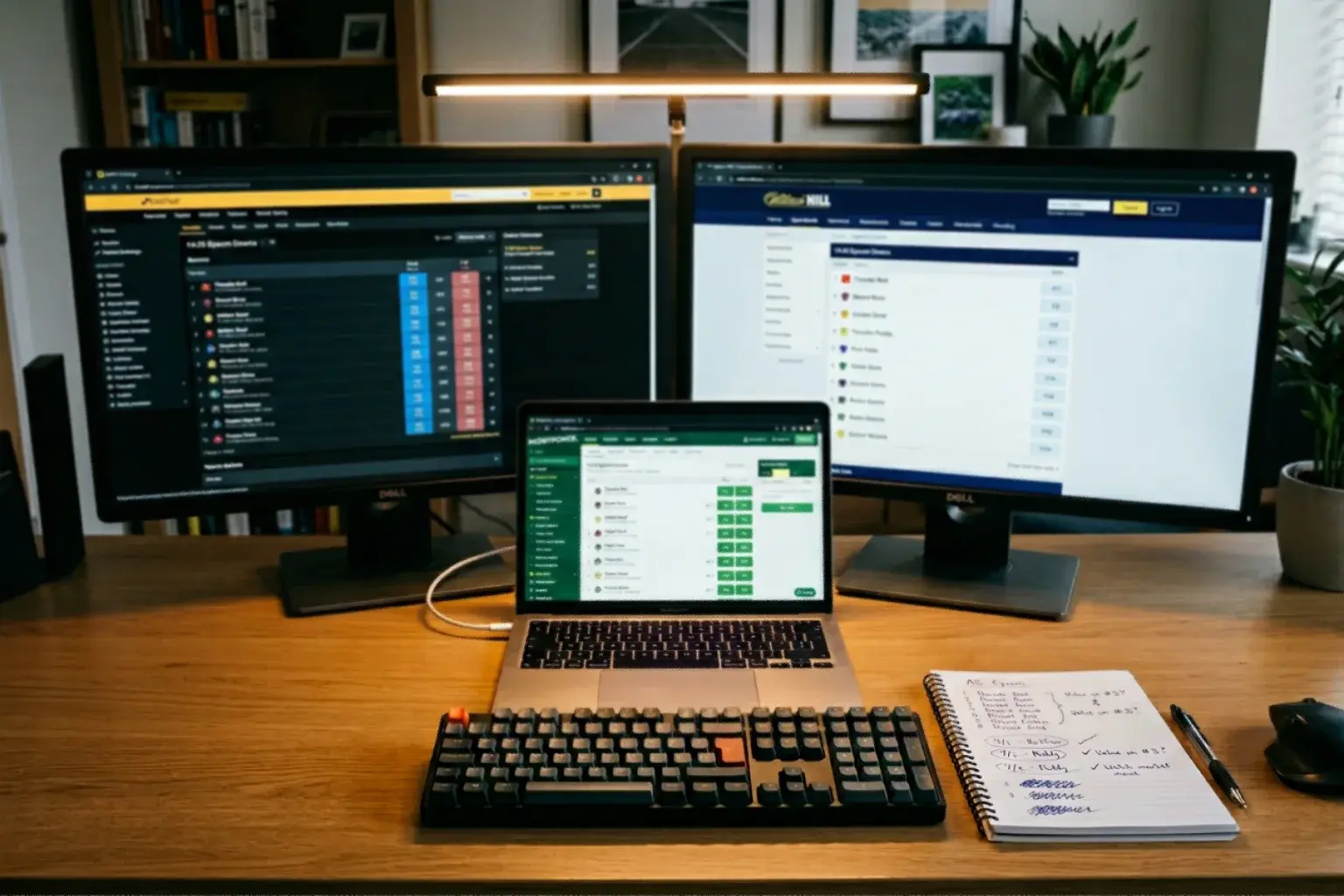
Odds comparison websites aggregate prices from major bookmakers in near real-time, displaying them in a grid that lets you spot the best price at a glance. The leading platforms cover 15 to 25 UK-licensed operators and update every few seconds during active trading periods. They’re essential for pre-race price shopping, though I’ve found that the prices displayed can lag by 10-15 seconds during volatile market movements — long enough for a drifting price to have been cut by the time you click through.
Betting exchanges show a different dimension entirely. Exchange prices represent the genuine supply and demand of the market, without a bookmaker’s margin built in (though you pay commission on winnings instead). Comparing the exchange price with the best bookmaker price tells you who’s offering real value — if the exchange has a horse at 6.0 and the best bookmaker is offering 7/1 (8.0 in decimal), the bookmaker is either slow to adjust or deliberately maintaining a generous price to attract action.
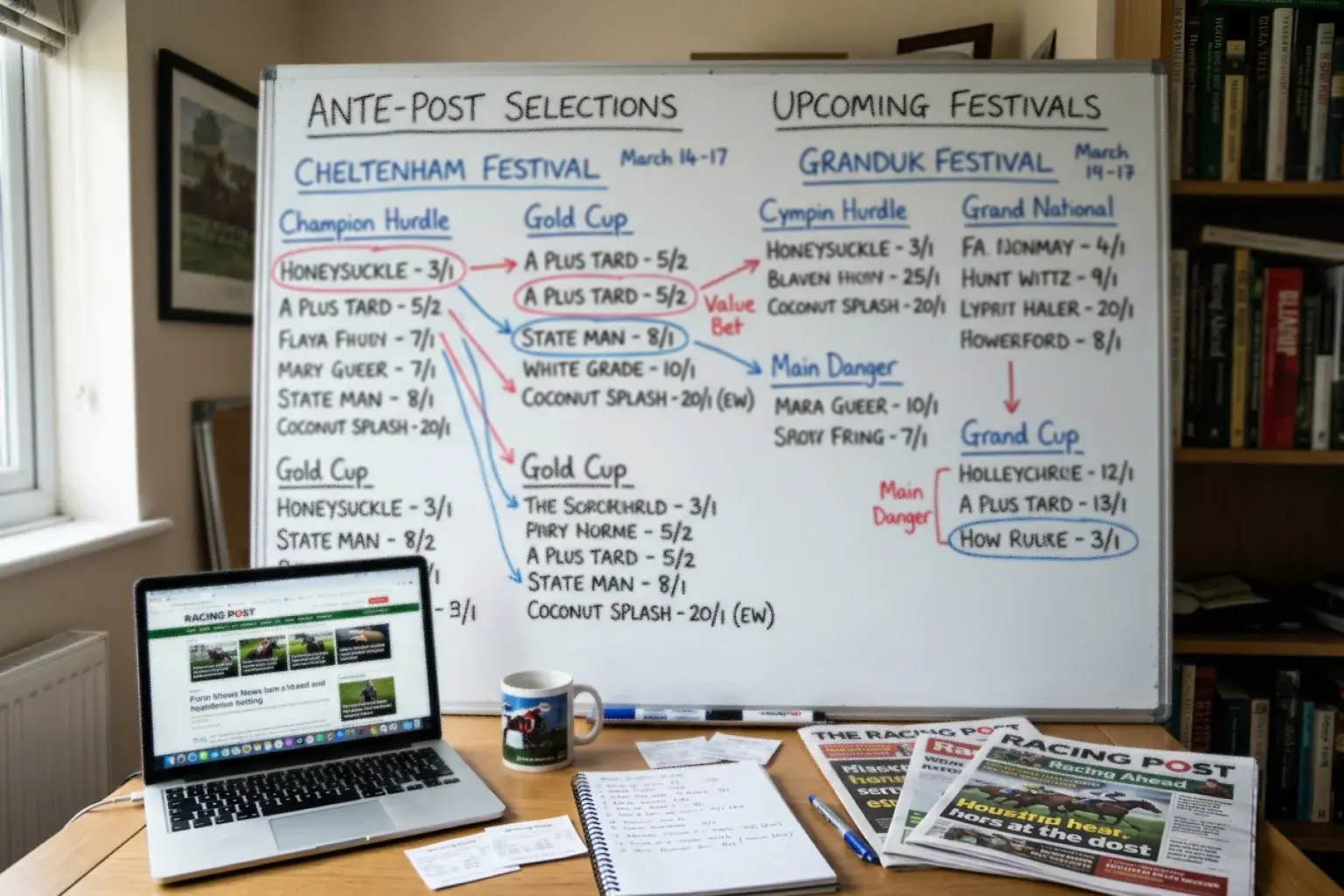
Mobile app push notifications are an underused tool. Several odds comparison services let you set price alerts — “notify me if Horse X reaches 8/1 or better at any bookmaker.” I use these for ante-post markets where I’ve identified a target price that represents value, and I want to strike the moment it appears without constantly monitoring the market myself.
The key discipline: never place a bet without at least checking two other prices first. Even on days when I’m in a rush, that 30-second check has saved me money more often than any form study shortcut.
Reading Odds Movements: Steamers, Drifters, and Market Signals
A horse whose price shortens rapidly is called a steamer. One whose price lengthens is a drifter. These movements aren’t random — they reflect real money entering the market, and understanding what drives them can sharpen your timing.
Steamers draw attention because a rapidly shortening price implies informed money — someone with knowledge or conviction is backing the horse heavily enough to move the market. But here’s what nine years of watching markets has taught me: by the time you notice a steamer on an odds comparison site, the move is largely done. The value existed at the early price, not at the compressed one. Chasing a horse whose price has halved in the last hour is one of the most common mistakes in racing.
Drifters are more interesting to me. A horse that’s 5/1 in the morning and 8/1 by the afternoon might be drifting because stable connections aren’t confident, because the going has changed against it, or simply because a single large bet on a rival has distorted the whole market. Distinguishing between a meaningful drift (the horse’s chance has genuinely worsened) and a mechanical one (money elsewhere has reshuffled prices) is where price protection features like BOG become valuable — you can take the bigger price knowing that if the starting price ends up shorter, you’ll still get paid at the higher odds.
Market confidence is another signal. When all 15 major bookmakers converge on the same price for a horse within a tight range, the market is confident in that assessment. When prices are scattered — one bookmaker at 6/1 while another sits at 10/1 — the market is uncertain, and uncertainty means opportunity for anyone with a well-researched view.
Using Multiple Accounts to Lock in the Best Price
This is the unsexy but effective reality of profitable horse racing betting: you need accounts with multiple bookmakers. Not two or three — I maintain active accounts with eight operators specifically for racing, and I use whichever one offers the best price on any given bet.
There’s nothing illegal or even questionable about holding multiple accounts. Every UK adult is free to open and use accounts with as many licensed operators as they choose. The practical benefits are straightforward: wider price access, ability to exploit different promotional offers, and insurance against account restrictions that any single bookmaker might impose on a winning customer.
The administrative overhead is real but manageable. I keep a small working balance in each account rather than a large sum in one, and I top up whichever account I need before a bet. A password manager handles the login credentials. The time cost is perhaps 15 minutes per week of account management — a trivial investment against the price improvements it delivers.
One word of caution: some operators flag accounts that only ever bet at best prices and never take a standard offer. If you want to maintain long-term access to all your accounts, mix in the occasional bet at a price that isn’t the absolute best. Think of it as a small cost of doing business — a 7/1 bet instead of 15/2 once in a while keeps the account healthy for the times when the price difference really matters.