
Royal Ascot Markets: Exploiting Group 1 Betting Angles
My first Royal Ascot was a blur of top hats, champagne, and six losing bets before the third race. I’d approached it the same way I approached a midweek Kempton card — pick the horse with the best form, back it, move on. That’s not how Ascot works. The sheer class of every field, the international raiders you’ve never studied, the ground that can change everything between Tuesday and Saturday — it all conspires to make your standard punting routine look hopelessly underprepared.
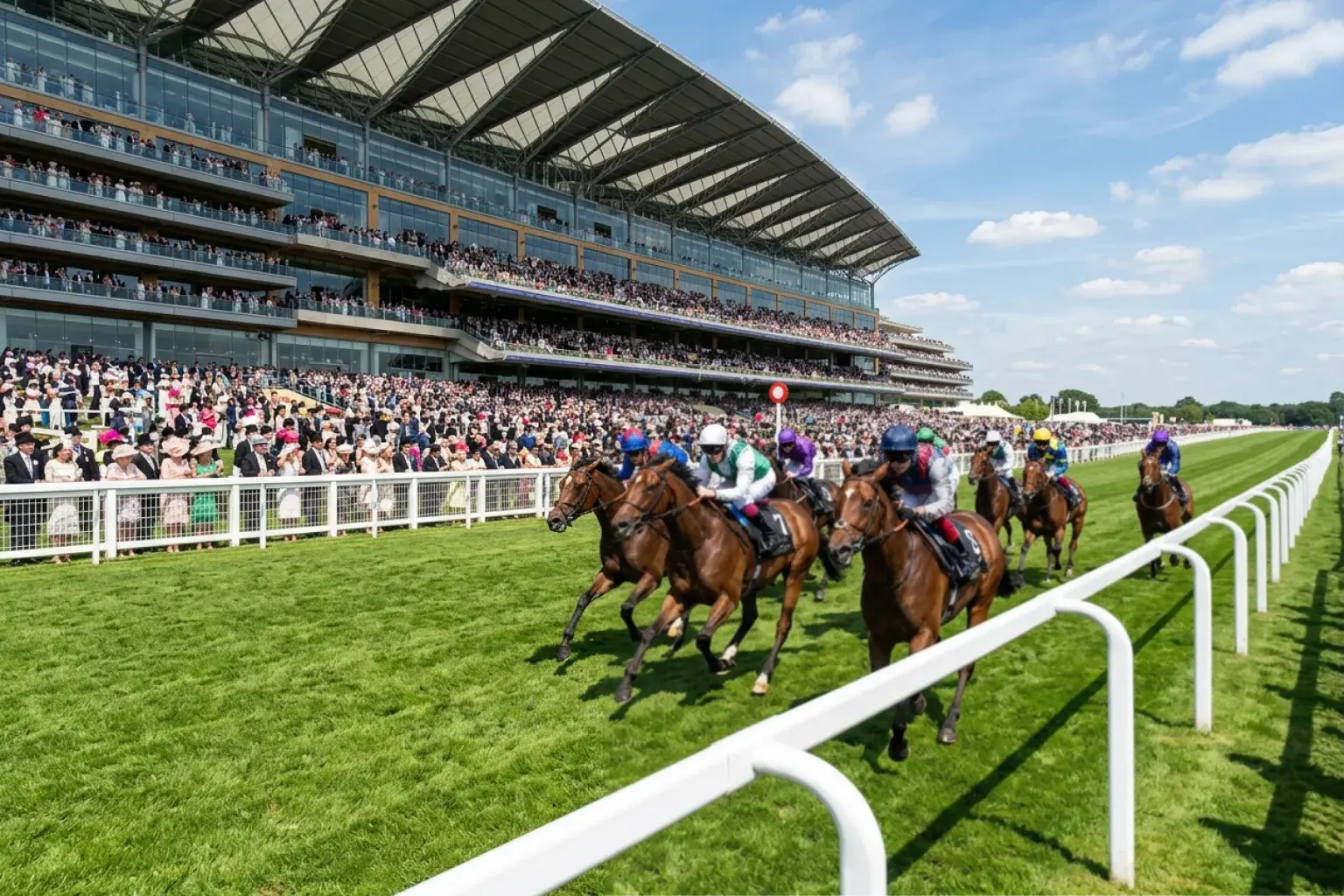
Royal Ascot runs five days across 35 races, and the concentration of Group-level quality is unmatched anywhere in flat racing. Cheltenham’s four-day festival generates a projected 450 million pounds in betting turnover, and Royal Ascot rivals it on the flat side. With over 120 licensed UK operators all fighting for your attention during the meeting, the promotional noise is deafening — free bets, enhanced odds, money-back specials on every race. The trick is to treat all of that as background and focus on what actually matters: which horses are suited to these unique conditions.
Lee Phelps, speaking about the intensity of festival betting, once described the battle between layers and punters during these marquee meetings as “unrivalled.” He was talking about Cheltenham, but the sentiment applies equally to Royal Ascot. The money flowing through the markets during Ascot week creates price movements that don’t happen at any other flat meeting, and those movements are where the edges live.
Understanding Ascot’s Course and How It Shapes Results
I spent a morning walking the Ascot straight mile in December a few years back, and it changed how I read form for the meeting. The incline from Swinley Bottom to the winning post is more significant than it looks on television. Horses that travel smoothly and conserve energy through the middle of the race consistently outperform those that blaze the early pace, particularly over a mile and beyond.
The straight course — used for five-furlong and six-furlong races — plays differently from the round course. There’s no bend to negotiate, which eliminates draw bias in theory, but in practice the ground conditions across the width of the track create their own biases. When the rail is in the stands’ side position, low draws tend to hold an advantage over five furlongs because the racing line is shorter. When it’s in the far side position, the bias can reverse. Checking the rail position announcement on the morning of each day is not optional at Ascot — it’s essential.
The round course, used for races from seven furlongs up to two and a half miles, has its own character. The turn into the straight is relatively gentle, but the final hill separates the genuine stayers from the flattering types who lead until the ground starts rising. I pay particular attention to horses that have previously won or placed well when finishing uphill — Goodwood, Sandown, and Epsom form can translate to Ascot in ways that form from flat tracks like Doncaster or Newmarket doesn’t.
Key Races and Market Dynamics Across the Five Days
Not every race at Royal Ascot deserves the same level of attention or investment. That sounds obvious, but the temptation to have a bet in all 35 races is real, and I’ve watched it drain more bankrolls than bad form reading ever has.
The meeting’s centrepiece races — the Queen Anne Stakes, Prince of Wales’s Stakes, Gold Cup, Commonwealth Cup, Diamond Jubilee Stakes, and St James’s Palace Stakes — carry Group 1 status and attract the best-formed horses. These races typically have smaller fields (8-14 runners), stronger market formation, and thinner bookmaker margins. The form is more reliable here because the class of horse is higher, the trainers are elite, and the information environment is relatively transparent.
The big-field handicaps are where Ascot betting gets genuinely challenging and genuinely rewarding. The Royal Hunt Cup (mile handicap, 20-30 runners), the Wokingham Stakes (six-furlong handicap), and the Ascot Stakes (long-distance handicap) all feature enormous fields where pricing inefficiency thrives. A 28-runner handicap forces bookmakers to price horses they’ve barely assessed, creating pockets of value that sharper punters can exploit. The trade-off is variance — backing a 16/1 shot in a 28-runner field means accepting that your selection will lose far more often than it wins, even when the price represents genuine value.
I structure my Ascot week spending with roughly 50% on Group races, 35% on two or three targeted handicap plays, and 15% in reserve for in-play or late opportunities. That reserve matters because information flows during the meeting — ground changes, riding styles that suit the conditions, trainers whose horses are clearly thriving that week — and capitalising on that live information is one of the few genuine edges available at a festival.
Ante-Post Value and the International Factor
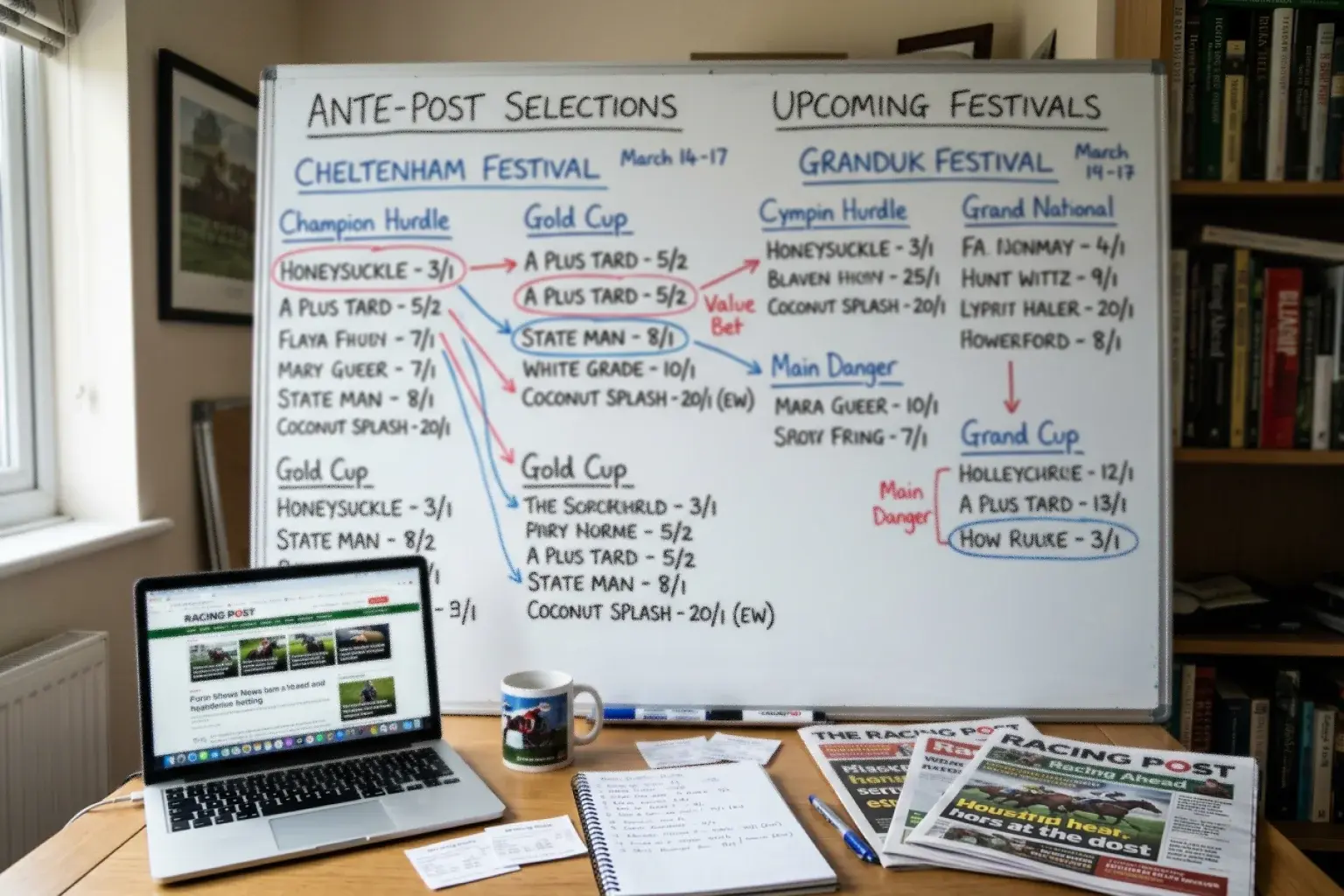
Royal Ascot’s ante-post markets open months in advance, and the most interesting prices appear when the international picture is still unclear. Every year, trainers from France, Ireland, Australia, Japan, and the United States send raiders to Ascot, and the UK market routinely underprices these runners in early trading. I learned this the expensive way when a French Group 2 winner I’d dismissed as a “tourist” won the Queen Anne at 12/1. The form was there — I just hadn’t bothered to look beyond the British and Irish form book.
Studying the French handicap system is particularly worthwhile for Ascot. French-trained runners in the sprint and mile events have a strong recent record, partly because the training regime in Chantilly produces horses with a different speed profile — they’re often ridden with more restraint early and produce a sustained finish that suits Ascot’s uphill finish. Irish raiders, especially those from the Ballydoyle and Closutton yards, are always dangerous in the Group 1 events and usually attract enough market support to push their prices out to realistic levels.
The ante-post sweet spot for Royal Ascot falls between mid-May and the declaration stage. By mid-May, the key trials (the Lockinge, the Dante, the Irish Guineas) have been run and the likely runners are taking shape. Prices at this point still offer a premium over what they’ll be on race day, but the information base is solid enough to make informed judgments. Waiting until declarations narrows the field further, but by then the serious ante-post value has usually evaporated.
Going, Ground, and Weather: The Variable That Decides Everything
Ascot in June can be anything from firm ground under blazing sun to soft ground under persistent rain. I’ve seen both extremes in the same week. The going is the single most important variable at the meeting, and it changes everything about which horses are suited, which prices offer value, and which bets should be abandoned regardless of the form analysis behind them.
When the ground is good to firm or firmer, speed horses dominate the sprints and the pace of races tends to be genuine throughout. Ascot’s ground conditions reward horses with natural tactical speed on faster surfaces. When it turns soft, the emphasis shifts to stamina — suddenly the Gold Cup hopefuls who were outsiders become the right types, and sprinters without proven soft-ground form become liabilities.
I check the Ascot going report twice daily during the meeting — once in the morning and once after any afternoon watering or rainfall. Ascot’s groundstaff water the track to maintain consistency, and the watering schedule can shift the going by half a grade between morning and afternoon. That shift might not sound significant, but for a horse whose form is entirely on good ground, even a move to good-to-soft can be the difference between winning and finishing fifth.
The practical takeaway: don’t finalise Ascot selections the night before. Wait for the morning going update, reassess, and be prepared to scratch a selection that no longer fits the conditions. Discipline on ground suitability is the single cheapest edge available at the meeting — it costs nothing and saves you from backing horses in conditions they can’t handle.
Staking Through Five Days Without Running Dry
Five days is a long time to maintain discipline. By Thursday afternoon, most punters have either overspent from chasing Tuesday’s losses or become overconfident from early winners. Both states lead to the same place — poor decisions on Friday and Saturday, when some of the best races are run.
I split my Royal Ascot bankroll into five equal daily portions, and within each day, no single bet exceeds 5% of that day’s allocation. A 500-pound festival bankroll gives me 100 per day, with maximum individual bets of 5 pounds. Those numbers might feel conservative, but they’re designed to ensure I’m still making sharp, well-funded decisions in the Queen Elizabeth II Jubilee Stakes on Saturday afternoon — not scraping together the remnants of a budget I burned through chasing a Royal Hunt Cup fancy that didn’t fire.
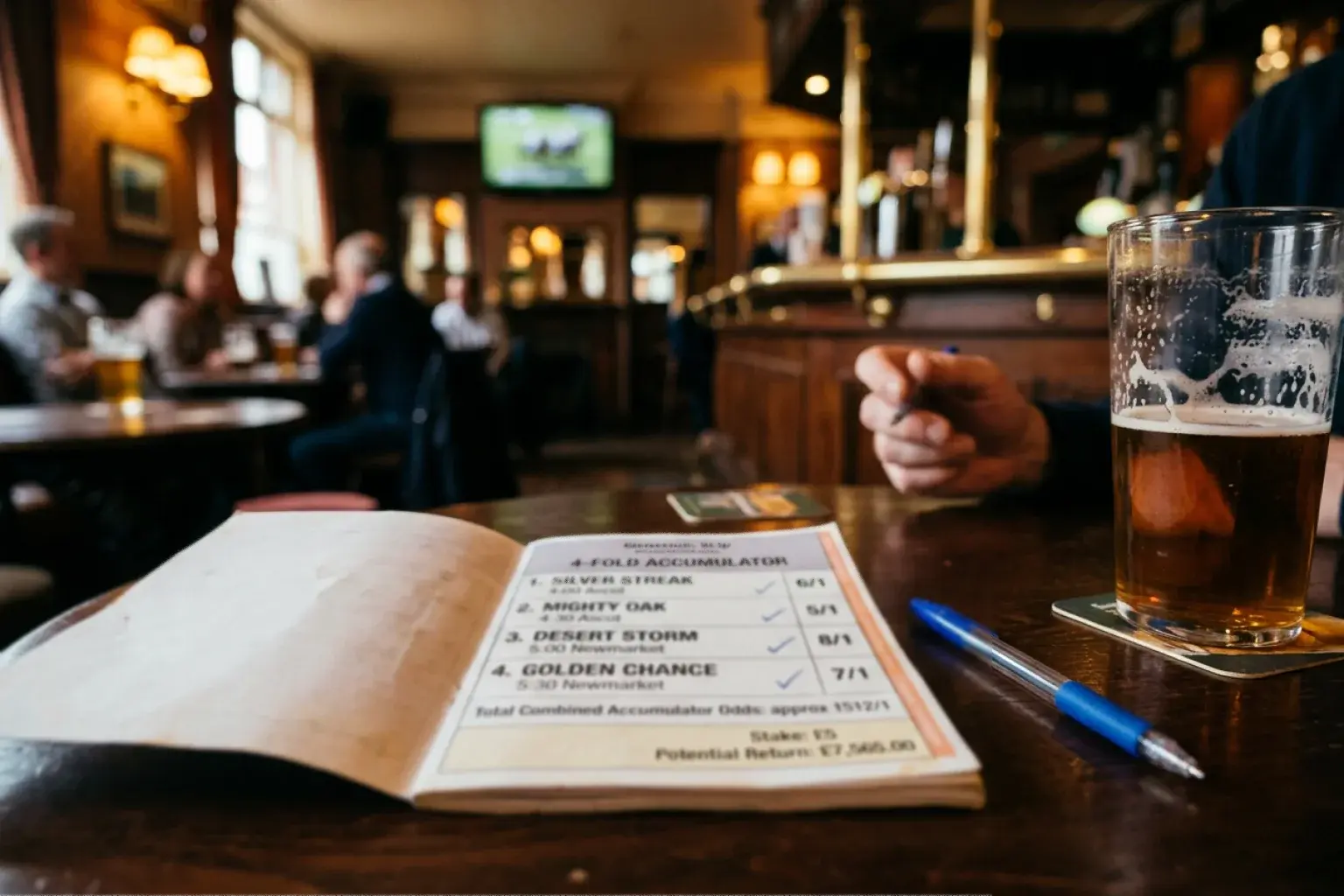
The other rule I follow rigidly is separating my standard singles from any accumulator or novelty bets. If I want a Lucky 15 or a Tote Placepot, it comes from a separate entertainment pot that I’ve mentally written off before the meeting starts. Mixing serious form-based singles with accumulator plays inside the same bankroll creates confusion about what’s working and what’s not, and it makes post-meeting analysis almost impossible.