
Pool Betting Returns: Exploiting Value Beyond Fixed Odds
The first time I backed a winner through the Tote and received a bigger payout than the starting price, I assumed I’d stumbled onto some kind of glitch. I hadn’t. I’d accidentally discovered the fundamental difference between pool and fixed-odds betting — and once you understand it, you’ll see why the Tote is one of the most overlooked weapons in a racing punter’s arsenal.
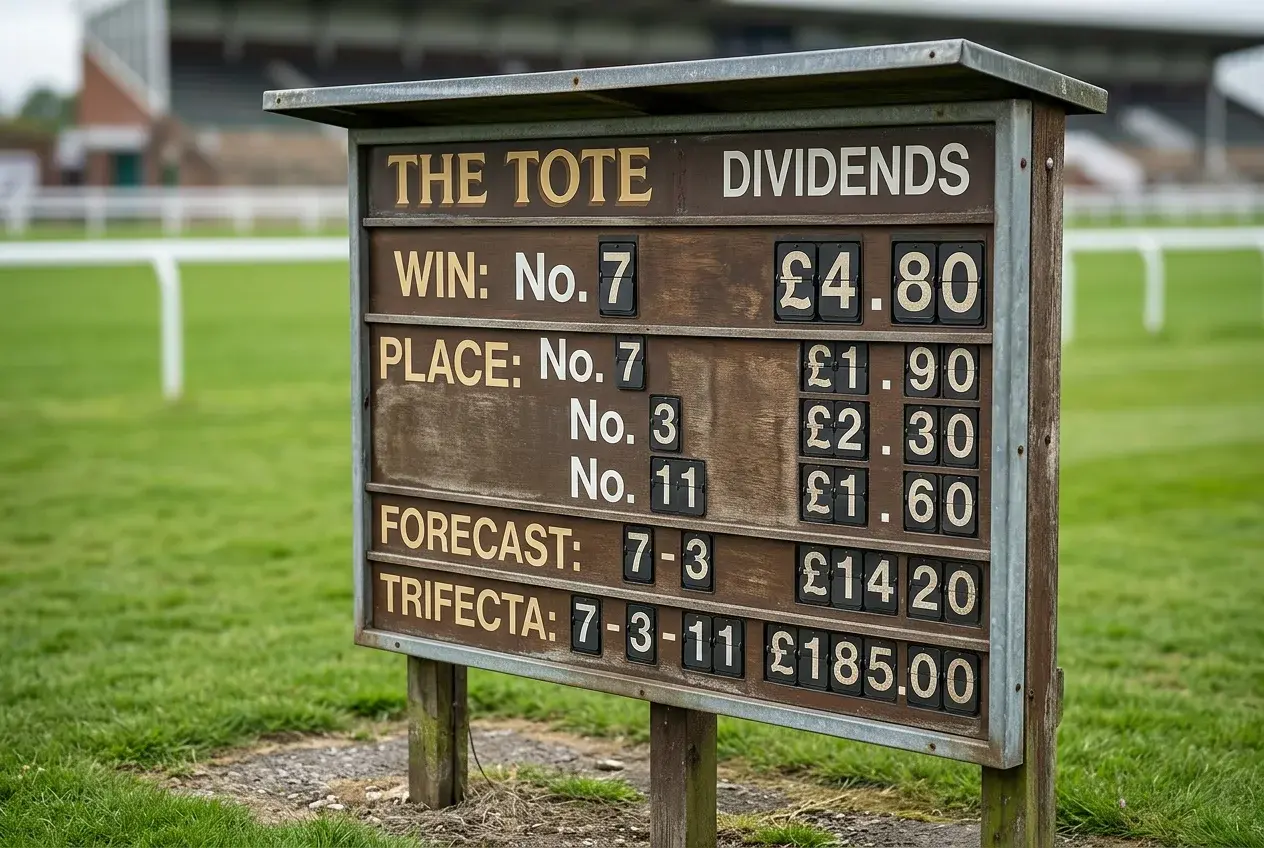
In fixed-odds betting, you agree a price with the bookmaker at the moment you place your bet. Back a horse at 5/1 for ten pounds, win, and you receive exactly 60 pounds. The bookmaker’s margin is built into the odds they offer. In pool betting, everyone’s stakes go into a pot, the operator takes a deduction, and the remaining pool is divided among all winning tickets. Your payout depends not on a price you locked in, but on how many other people backed the same horse.
This changes the game in ways that most punters — even experienced ones — underestimate. When the crowd piles onto a favourite, the Tote dividend on that horse drops below the fixed-odds price. But when the crowd ignores a runner and it wins, the Tote dividend can dwarf the SP. I’ve seen 12/1 shots pay over 20/1 on the Tote because the pool money was concentrated elsewhere. That asymmetry is where the value lives.
Understanding Pool Deductions and Dividend Calculations
Every Tote pool takes a percentage cut before dividends are calculated. Win pool deductions typically run around 13-16%, which is higher than the theoretical margin on most fixed-odds win markets. The place pool operates similarly but with slightly different deduction rates. Exacta, Trifecta, and the big jackpot pools carry their own deduction structures.
Here’s the maths in plain terms. Imagine a race where the win pool totals 10,000 pounds. After a 14% deduction, 8,600 pounds remains for distribution. If 860 pounds was staked on the winner, the dividend is 8,600 divided by 860, which gives 10/1. If only 430 pounds was on the winner, the dividend doubles to 20/1. The same horse, the same race — but the payout hinges entirely on what everyone else did with their money.
The deduction percentage is the Tote’s built-in cost, and it’s non-negotiable. On short-priced favourites, this deduction makes Tote betting worse value than fixed odds almost every time. A horse priced at evens with a bookmaker will typically return less than evens on the Tote after deductions. The breakeven point — where Tote and fixed odds roughly align — sits somewhere around the 4/1 to 6/1 range for most race types. Above that, the Tote increasingly favours the punter who’s picked an unpopular winner.
When Pool Betting Beats the Bookmakers
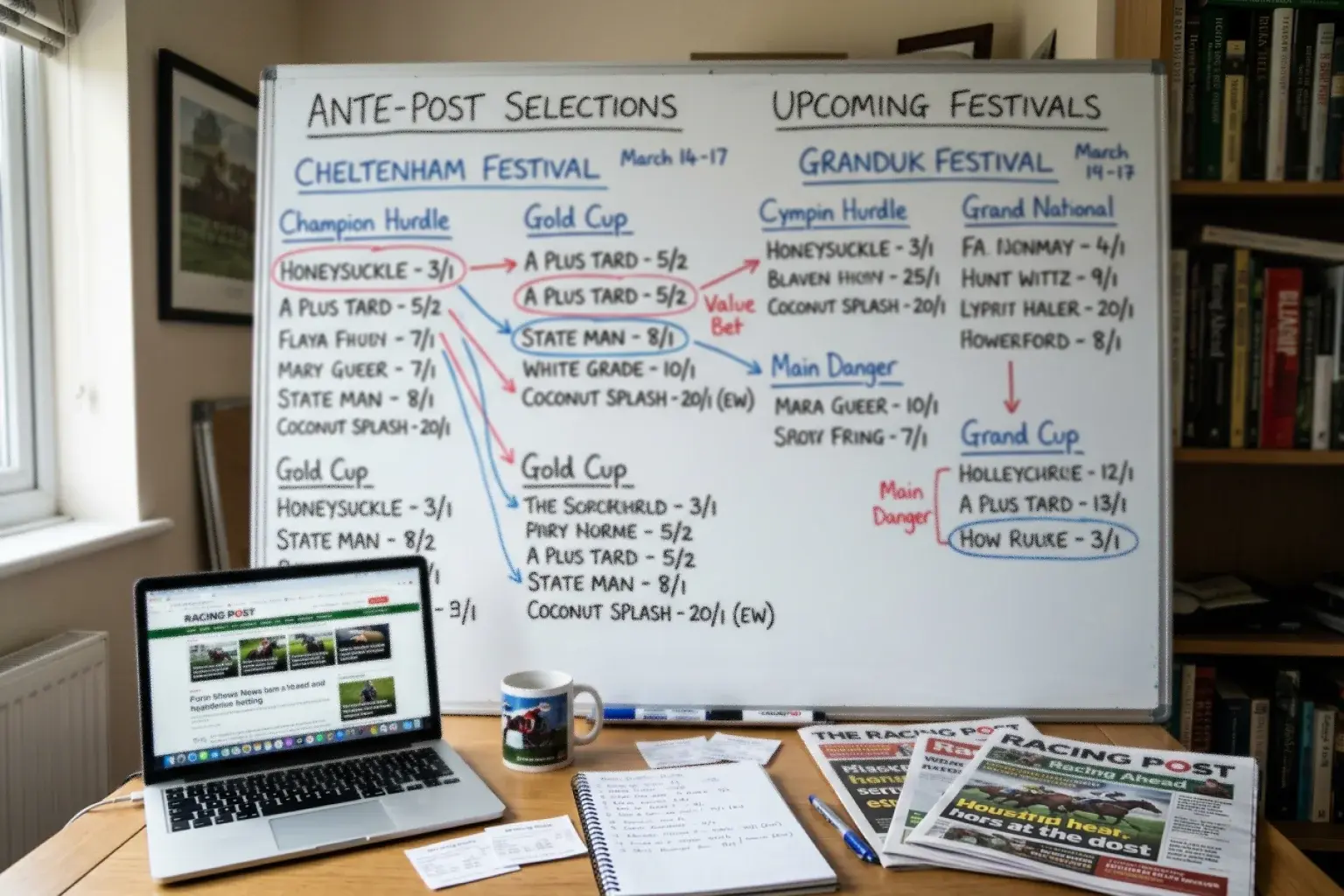
Cheltenham Festival 2024 saw a 25% increase in each-way betting compared to the previous year, which tells you something important about pool dynamics at major meetings. When the public loads up on favourites and popular each-way selections, the less-fancied winners produce inflated Tote dividends.
Big-field handicaps are the sweet spot. The Grand National, the Cesarewitch, the big Saturday handicaps at major festivals — races where 16 to 40 runners spread the pool money thinly. In a 30-runner handicap, even a horse with reasonable claims might attract only 2-3% of the pool. If it wins, the Tote dividend regularly exceeds the SP by 30-50%. I’ve logged these comparisons across multiple seasons, and the pattern is consistent: the larger the field, the greater the average advantage of Tote over SP on longer-priced winners.
Small-field races are the opposite scenario. A five-runner affair where two horses dominate the market produces tight Tote dividends with heavy deduction impact. For races with fewer than eight runners, I rarely bother with the Tote unless I’m specifically targeting a forecast or tricast pool.
The Placepot — picking placed horses in six consecutive races — is the Tote’s unique product and deserves special attention. Placepot pools at major meetings can exceed 500,000 pounds, and the dividends when a couple of outsiders place can be extraordinary. The skill isn’t picking six winners; it’s picking horses that will finish in the places, which is a fundamentally different exercise and one where a thoughtful punter has genuine edge over the casual once-a-year participant.
Practical Strategies for Racing Pool Bets
I use the Tote selectively, and that selectivity is the strategy. There’s no point placing Tote bets on every race as a blanket policy. The value is situational.
For win bets, I check the Tote pool size and the current indicative dividend before deciding whether to use pool or fixed odds. If my selection is showing a higher indicative Tote dividend than the best fixed-odds price, I go pool. If the fixed odds are better, I take the fixed price. It’s that simple, and it takes fifteen seconds of comparison.
For exotic bets — forecasts, tricasts, and the various combination pools — the Tote is often the only practical option. Bookmaker forecasts use a computer straight forecast formula that’s opaque and frequently poor value. The Tote forecast pool distributes actual money staked, which in big fields produces dramatically better payouts when you’ve linked two or three less-popular horses. A forecast combining the third and fifth favourite in a 20-runner handicap will pay substantially more on the Tote than with a bookmaker’s CSF almost every time.
One tactical point that gets overlooked: the Tote guarantees a minimum dividend on win and place pools. If your selection wins but the pool arithmetic would produce a dividend below the minimum, the Tote tops it up. This floor protects you in the rare scenario where an extremely well-backed winner would otherwise produce a derisory return. It doesn’t happen often, but it’s a safety net that fixed-odds betting doesn’t provide.
The 48% gambling participation rate in the UK generates substantial liquidity in Tote pools, particularly at weekend meetings and festivals. That liquidity — the sheer volume of money in the pool — is what makes Tote betting viable. At a poorly attended Monday fixture with a tiny pool, the dividends become erratic and the deduction percentage bites harder. Save your Tote activity for meetings where the pool size justifies the approach, and use standard each-way betting on quieter cards.