
Unlicensed Platforms: The Financial Risks for UK Punters
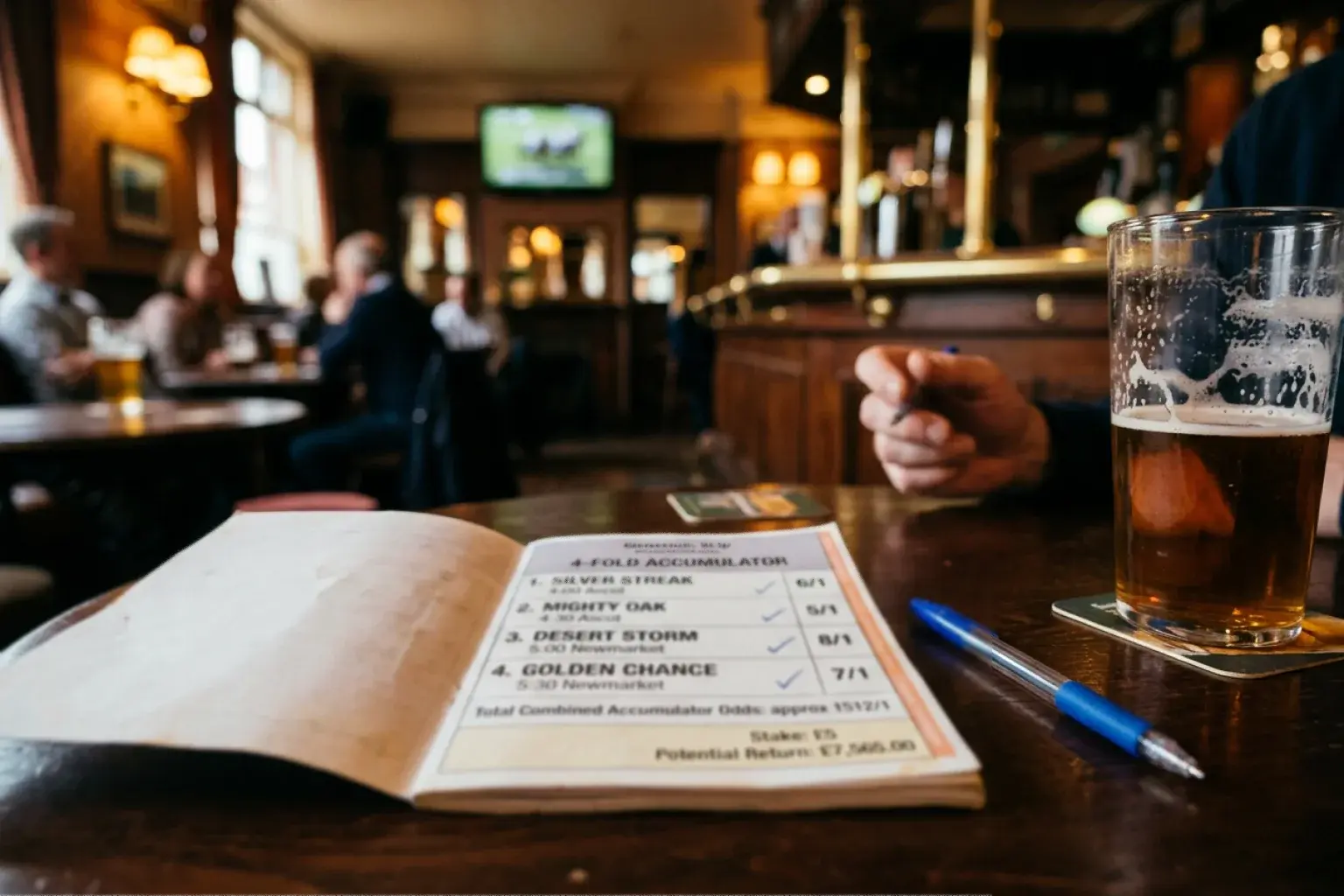
A mate of mine — sharp punter, years of experience — got lured by a site offering 20% better odds on a Saturday card at Newbury. No UKGC licence, but who checks these things in the heat of a punt? He found out who checks when his 800-pound withdrawal request sat “pending” for six weeks before the site vanished entirely. That story plays out thousands of times a year across the UK.
The unlicensed gambling market has exploded from a statistical footnote to a genuine industry problem. In 2020, unlicensed operators accounted for roughly 0.43% of the UK online gambling market. By the first half of 2025, that figure had surged to around 9%, generating an estimated 379 million pounds in gross gambling yield in just six months. Grainne Hurst, a senior industry figure, described these operations as “parasite operators” — and the label fits. They feed on the regulated market’s infrastructure while dodging every obligation that makes licensed betting safe.
Around 700 unlicensed operators now target UK punters, supported by more than 1,600 affiliate marketing channels that funnel traffic their way. These aren’t amateur outfits with dodgy WordPress sites. Many run sophisticated platforms that mimic legitimate bookmakers down to the live streaming, the racing cards, and the customer service chatbots. The difference only becomes apparent when money needs to move in the wrong direction — out of the site and into your bank account.
What Actually Happens When Things Go Wrong
Licensed operators are boring in the best possible way. They process withdrawals, honour bets, and when disputes arise, there’s an Alternative Dispute Resolution scheme with actual teeth. Unlicensed sites offer none of this.
The first problem is withdrawal refusal. Unlicensed operators have no regulator forcing them to pay out. I’ve tracked forums where punters report identical patterns: small withdrawals process normally for weeks, building confidence. Then a larger win triggers “enhanced verification” that never resolves, or terms are retroactively changed to void the bet, or the site simply stops responding.
The second problem is data security. UKGC-licensed operators must comply with strict data protection requirements, encrypt financial transactions, and segregate customer funds. Unlicensed sites have no such obligations. Your card details, identity documents, and betting history sit on servers with whatever security the operator felt like implementing — which is often minimal. Identity theft linked to unlicensed gambling sites has become a recognised category in UK fraud reporting.
Then there’s the manipulation of odds and markets. Without regulatory auditing, an unlicensed operator can adjust odds after bet placement, delay bet confirmation until after a race result, or simply refuse to honour prices that were displayed at the time of the bet. There’s no recourse. You can’t complain to the UKGC about a site they don’t regulate, and overseas jurisdictions rarely pursue complaints from individual UK punters.
Why Punters End Up on Unlicensed Sites
Nobody wakes up thinking “I’d love to hand my money to an unregulated offshore operation today.” The journey to unlicensed sites typically follows one of three paths, and understanding them matters more than simply warning people away.
The first path is restriction. UK-licensed bookmakers actively manage their risk by restricting or closing accounts of profitable punters. A sharp horse racing bettor who consistently beats the market will find their stakes limited to pennies within months. The frustration is real and legitimate — you’ve done nothing wrong, yet you’re effectively banned from using the product as advertised. Unlicensed sites exploit this frustration by marketing themselves as “no limits” operations. The trade-off is that there are indeed no limits: no limits on your stakes, but also no limits on the operator’s ability to refuse payment.
The second path is bonuses. Unlicensed operators offer promotions that licensed sites cannot legally match. A 200% deposit bonus with apparently minimal wagering sounds irresistible compared to the regulated bet-10-get-30 structure. The economics only work because the operator has no intention of honouring the bonus terms — or rather, the terms are written to make completion functionally impossible.
The third path is ignorance. With over 120 licensed UK operators in the market, many punters assume that any site accepting British customers must be licensed. The sheer volume of legitimate operators creates a false sense that the industry is universally regulated. It isn’t, and the visual similarity between licensed and unlicensed platforms makes casual identification nearly impossible without knowing where to look.
How to Verify a Licence in Thirty Seconds
I check every betting site before depositing, and the process takes less time than reading the first race on a card. Here’s the only method that actually works.
Go to the UKGC’s public register — it’s free, requires no account, and lists every operator currently licensed to offer gambling services to UK customers. Search by the operator’s company name, not the brand name. Many operators run multiple brands under a single licence, so “FunBets Racing” might be licensed under “Global Gaming Operations Ltd.” The licence number should also appear in the footer of any legitimate UK betting site. If it doesn’t, that’s your first red flag.
Cross-referencing takes seconds: find the licence number on the site, search it on the UKGC register, confirm it belongs to the correct company and covers the correct activity type. A company licensed for casino but not sports betting cannot legally offer horse racing markets to UK customers. The activity type matters.
Sites operating from jurisdictions like Curaçao, Anjouan, or with no visible licence at all are not authorised for UK customers regardless of what their terms claim. A Curaçao licence — to the extent it even functions as meaningful regulation — does not authorise the holder to accept UK bets. Any site claiming otherwise is either ignorant of UK law or deliberately misleading you. For a deeper understanding of what UKGC licensing actually protects, I’ve covered the detail in how UKGC licensing works for racing bettors.
The Real Cost of Chasing Better Odds Outside Regulation
I understand the appeal. Truly, I do. When your favourite bookmaker slashes your maximum stake to two pounds on a race you’ve spent hours analysing, the temptation to find somewhere that will take your bet properly is overwhelming. But the maths doesn’t support the move.
Consider the expected value calculation. An unlicensed site might offer you 6/1 where the regulated market shows 5/1. On a 100-pound bet, that’s an extra 100 in potential winnings. But if there’s even a 15% chance the site refuses to pay out a winning bet, your expected value on that 6/1 is actually worse than the regulated 5/1 with a near-certain payout. And 15% is conservative — the complaint rates on unlicensed sites suggest non-payment rates far higher than that.
The smarter play for restricted punters is working within the regulated ecosystem. Multiple accounts across legitimate operators, betting exchanges where you’re trading against other punters rather than against the house, and Tote pool betting where individual stake sizes are irrelevant to the operator’s risk. These options exist precisely because the UK market has over 120 licensed operators competing for business. The breadth of the regulated market is the solution to the restriction problem — not the unregulated fringe.
Average betting turnover per race dropped 8% in the 2024/25 season and sits 19% below the 2021/22 peak. The licensed market is under pressure, and that pressure creates genuine opportunities — better promotions, competitive odds, innovative products — for punters willing to stay within it.