
Regulated Betting: Ensuring Safe Transactions and Fair Odds
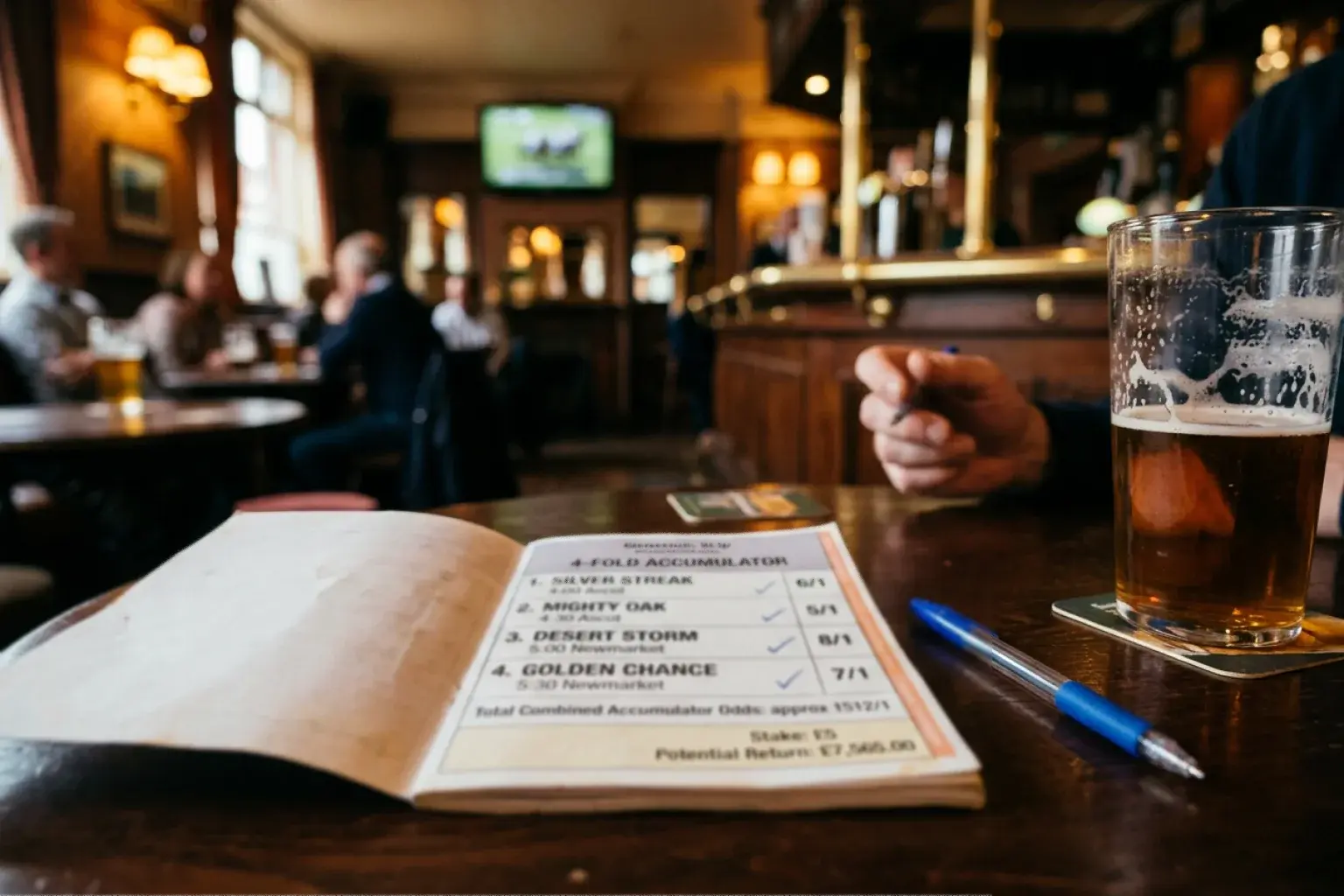
A punter I know spent three months building a profitable run on an offshore site that offered no-limit deposits and no identity checks. He withdrew 2,400 pounds. The site asked for “verification documents.” He sent them. A week later, the site vanished — domain gone, customer service email bouncing, 2,400 pounds plus his remaining balance evaporated. No regulator to complain to, no fund protection, no recourse.
That story has become disturbingly common. Unlicensed operators now control approximately 9% of the UK online gambling market, generating an estimated 379 million pounds in gross gambling yield in the first half of 2025 alone — up from just 0.43% of the market in 2020. The growth is staggering, and it makes the question of whether your betting site holds a UKGC licence more important than it’s ever been.
The UKGC licence isn’t a rubber stamp. It’s a framework of enforceable obligations that protect your money, your data, and your right to fair treatment. Understanding what it provides — and what happens without it — is the foundation of safe horse racing betting.
What a UKGC Licence Guarantees for Horse Racing Bettors
Gráinne Hurst, CEO of the Betting and Gaming Council, described unlicensed operators as “parasite operators” who “don’t pay tax, don’t care about safer gambling, and do not contribute a penny to the levy.” The contrast with UKGC-licensed sites is stark across every dimension that matters to a punter.
Fund segregation is the most tangible protection. Licensed operators must ring-fence customer funds from their own operating money, ensuring that if the company faces financial difficulties, your balance is protected. The level of protection varies — some operators hold funds in a separate bank account, others use an independent trustee — but the principle is consistent: your money isn’t being used to pay the operator’s electricity bill.
Fair terms enforcement means the UKGC can investigate complaints about misleading promotions, unjustified account closures, or failure to pay legitimate winnings. If you win a bet and the operator refuses to pay without valid reason, the UKGC’s licensing conditions give you a formal escalation path. Unlicensed sites offer no such path — if they decide not to pay, your options are essentially zero.
Data protection under UK GDPR applies to all UKGC-licensed operators. Your personal and financial data must be handled according to specific security standards, stored appropriately, and not shared without your consent. Unlicensed offshore operators are under no such obligation, and the personal data you submit during their “registration” process — passport photos, utility bills, bank details — can be used or sold without restriction.
The levy contribution is less visible to individual punters but critical to the sport. Licensed bookmakers contribute to the Horserace Betting Levy, which funds prize money, racecourse maintenance, and integrity services. Every bet you place with a licensed operator returns a fraction to British racing. Every bet placed with an unlicensed operator returns nothing.
How to Check a Bookmaker’s UKGC Licence Status
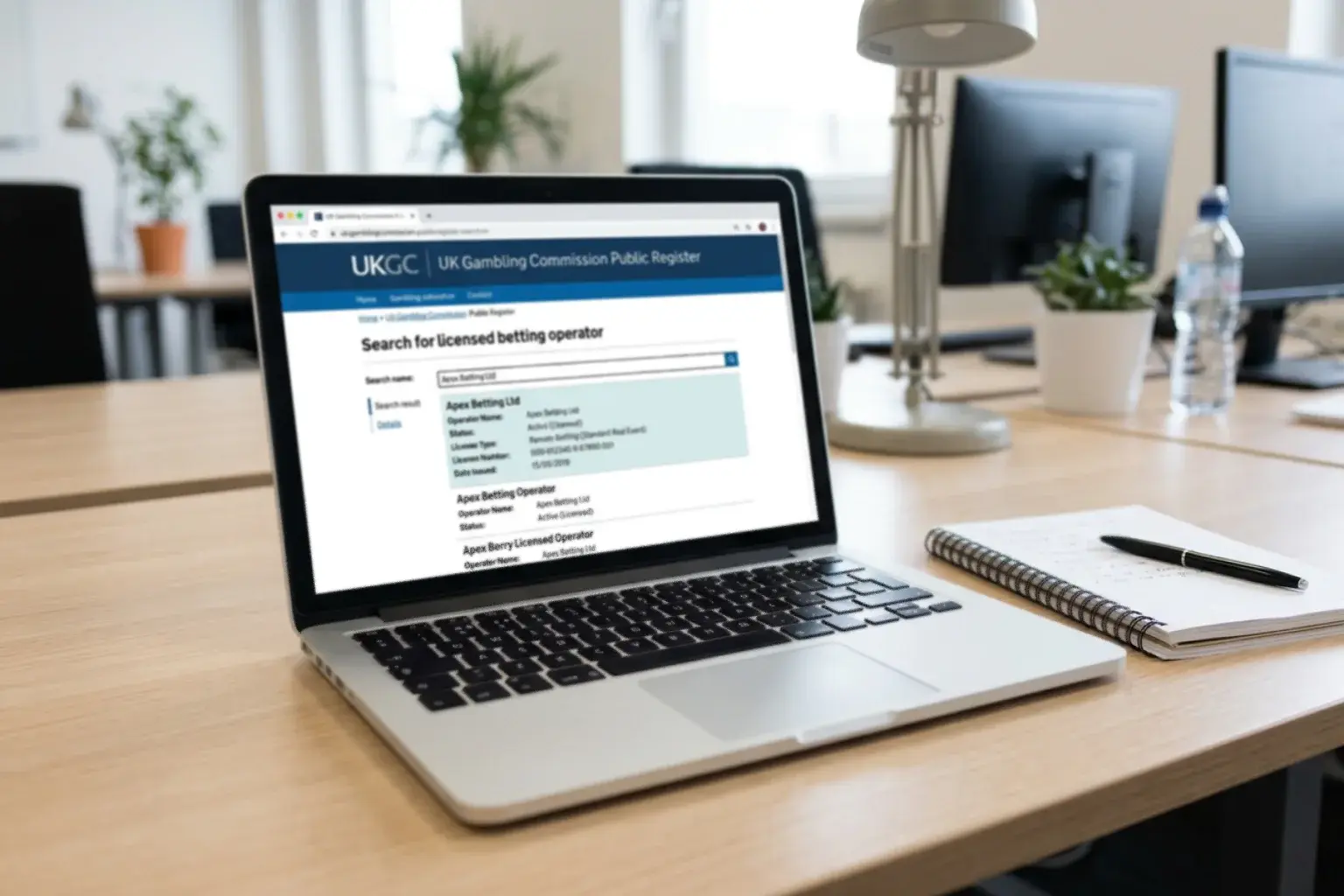
The check takes 90 seconds. The Gambling Commission maintains a public register where you can search by operator name and see their licence status, the activities they’re permitted to offer, and any regulatory actions taken against them. Around 700 unlicensed operators currently target UK punters through more than 1,600 affiliate channels, so the fact that a site looks professional and appears in search results means nothing without this verification step.
Every licensed operator must display their licence number and a link to the Gambling Commission in the footer of their website. If you can’t find it, that’s a red flag. If you find a number but it doesn’t appear on the public register, that’s a brighter red flag — some unlicensed sites fabricate licence numbers hoping punters won’t verify them.
Beyond the licence itself, check whether the operator uses a recognised dispute resolution service. Licensed operators must provide access to an Alternative Dispute Resolution (ADR) provider — typically eCOGRA, IBAS, or a similar independent body. This is your escalation route if a dispute can’t be resolved directly with the operator. The ADR provider’s name should be in the site’s terms and conditions.
I make this check every time I open an account with a new operator, even ones I’ve seen advertised on television. TV advertising doesn’t guarantee a UKGC licence (though it strongly implies one, since Ofcom requires gambling advertisers to be licensed). The two-minute check eliminates uncertainty entirely.
Ring-Fenced Funds, Dispute Resolution, and Self-Exclusion
Self-exclusion is the protection most punters hope they’ll never need, but it’s one of the most important features of the UKGC framework. Licensed operators must participate in Gamstop, the national self-exclusion scheme, which allows you to block yourself from all licensed online gambling sites for a minimum of six months. Unlicensed operators don’t participate in Gamstop, which is one reason they specifically target self-excluded gamblers — a fact that makes the black market growth figures particularly troubling.
Dispute resolution follows a structured process. If you have a complaint — an unfair account restriction, a disputed bet settlement, a promotional term you believe was applied incorrectly — the operator must first attempt to resolve it through their internal complaints procedure within eight weeks. If that fails, you can escalate to their ADR provider for an independent review. The ADR decision is binding on the operator, though not on you — if you disagree, you can still pursue legal action.
Fund protection levels are published by each operator and fall into three tiers: basic, medium, and high. Basic protection means your funds sit in a separate account but aren’t fully insulated from the operator’s creditors. Medium protection uses independent trustees or insurance. High protection means funds are held in a segregated client account with full protection against operator insolvency. For large balances, the protection level matters — check your operator’s specific tier before depositing significant sums.
Responsible gambling tools are mandatory for all licensed operators: deposit limits, loss limits, session time limits, reality checks, and cooling-off periods. These aren’t optional extras — they’re licence conditions. The tools are imperfect, but they exist, and they give punters a degree of structural self-protection that simply doesn’t exist outside the regulated market.